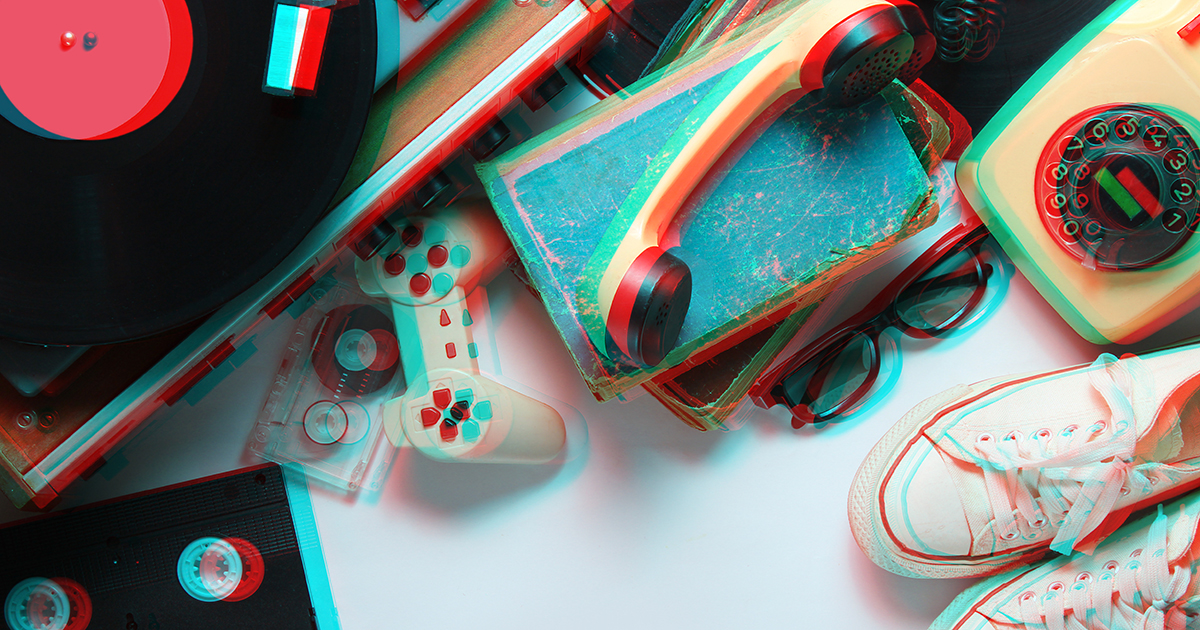
The Enduring Power of Nostalgia: A Psychological and Societal Lens
Nostalgia, far from being a mere sentimental yearning for the past, is a complex psychological phenomenon with profound implications for individual well-being and collective societal behavior. It’s an emotional state characterized by a longing for the past, often associated with a sense of warmth, comfort, and a desire to revisit or relive particular moments, people, or places. While it can sometimes be tinged with sadness over what’s lost, its predominant function is often positive, serving as a psychological resource that helps individuals cope with present challenges and maintain a sense of continuity in their lives.
Defining Nostalgia: More Than Just Memory
Psychologically, nostalgia is not simply remembering. It’s an emotional experience that blends memory with a sense of longing and often an idealized view of the past. Research, such as studies by Dr. Constantine Sedikides at the University of Southampton, suggests that nostalgia acts as a psychological buffer, enhancing mood, increasing social connectedness, and boosting self-esteem. It often arises during periods of transition, loneliness, or uncertainty, providing comfort by recalling a sense of belonging and stability.
- Autobiographical Memory: Nostalgia is deeply rooted in personal memories, often vivid and emotionally charged, that connect us to our personal history.
- Social Bonding: Sharing nostalgic experiences, whether through music, films, or shared cultural touchstones, strengthens social ties and fosters a sense of collective identity.
- Self-Continuity: By linking past experiences to the present, nostalgia helps individuals maintain a coherent sense of self, especially in the face of change.
Nostalgia in Marketing and Consumerism: A Strategic Playbook
The potent emotional pull of nostalgia has not gone unnoticed by marketers and industries. The “nostalgia effect” is a powerful tool used to create connections with consumers, evoke positive emotions, and drive purchasing decisions. Brands often tap into collective memories of past decades, childhood experiences, or cultural milestones to build brand loyalty and introduce new products with a familiar, comforting appeal.
- Product Revivals: From classic video game consoles to limited-edition snack re-releases, companies frequently bring back discontinued products or designs that resonated with previous generations. For instance, the resurgence of vinyl records, despite digital music’s dominance, demonstrates a powerful consumer desire for the tangible and ritualistic aspects of past media consumption.
- Retro Aesthetics: Fashion, interior design, and even digital interfaces often draw inspiration from past eras, like the 80s synthwave aesthetic or 90s grunge revival, appealing to both those who lived through the original period and younger generations seeking novelty.
- Emotional Advertising: Advertisements frequently use nostalgic imagery, music, and narratives to evoke feelings of warmth, family, and simpler times, associating these positive emotions with their products. A notable example is Coca-Cola’s “Share a Coke” campaign, which, while not explicitly nostalgic, played on personal connections and shared experiences reminiscent of simpler social interactions.
A recent market analysis by the Global Consumer Insights Group indicated that products leveraging overt nostalgic themes saw a 15% higher engagement rate and a 10% increase in sales conversions compared to non-nostalgic counterparts within specific demographics over the last five years.
Art as a Catalyst: Reflecting and Shaping Society
Art, in its myriad forms—from painting and sculpture to music, literature, and performance—has always been an indispensable part of human civilization. It serves not only as a means of individual expression but also as a powerful mirror reflecting the values, anxieties, and aspirations of a society. More than a passive reflection, art actively shapes culture, challenging norms, fostering empathy, and even catalyzing significant social and political change.
Historical Role of Art in Society
Throughout history, art has played diverse and crucial roles. In ancient civilizations, it was often intertwined with religion and power, used to depict deities, glorify rulers, and narrate foundational myths. During the Renaissance, art celebrated humanism and scientific discovery, while the Enlightenment saw art increasingly used for social commentary and satire. Each era’s artistic output provides invaluable insights into its prevailing ideologies, social structures, and technological advancements.
- Documentation: Art has historically documented events, rituals, and daily life, providing visual records where written history might be scarce or biased.
- Spiritual Expression: Many early art forms were created for religious or spiritual purposes, connecting communities to their beliefs and the transcendent.
- Cultural Identity: Art helps define a culture’s unique identity, preserving traditions and transmitting knowledge across generations.
Art as a Spark for Social Change
The capacity of art to provoke thought, evoke emotion, and challenge the status quo makes it a potent tool for social activism and change. By presenting alternative perspectives or highlighting injustices, artists can ignite public discourse and mobilize movements. The emotional resonance of art often bypasses purely rational arguments, fostering empathy and a deeper understanding of complex issues.
- Protest Art: From Picasso’s “Guernica” protesting war to the murals of the Civil Rights movement, visual art has been a direct form of dissent and advocacy.
- Music as a Movement: Folk music during the Vietnam War era and hip-hop in the 1980s and 90s gave voice to marginalized communities and became anthems for social justice.
- Performance Art: Live performances can create immersive experiences that force audiences to confront uncomfortable truths, fostering dialogue and challenging societal norms in real-time.
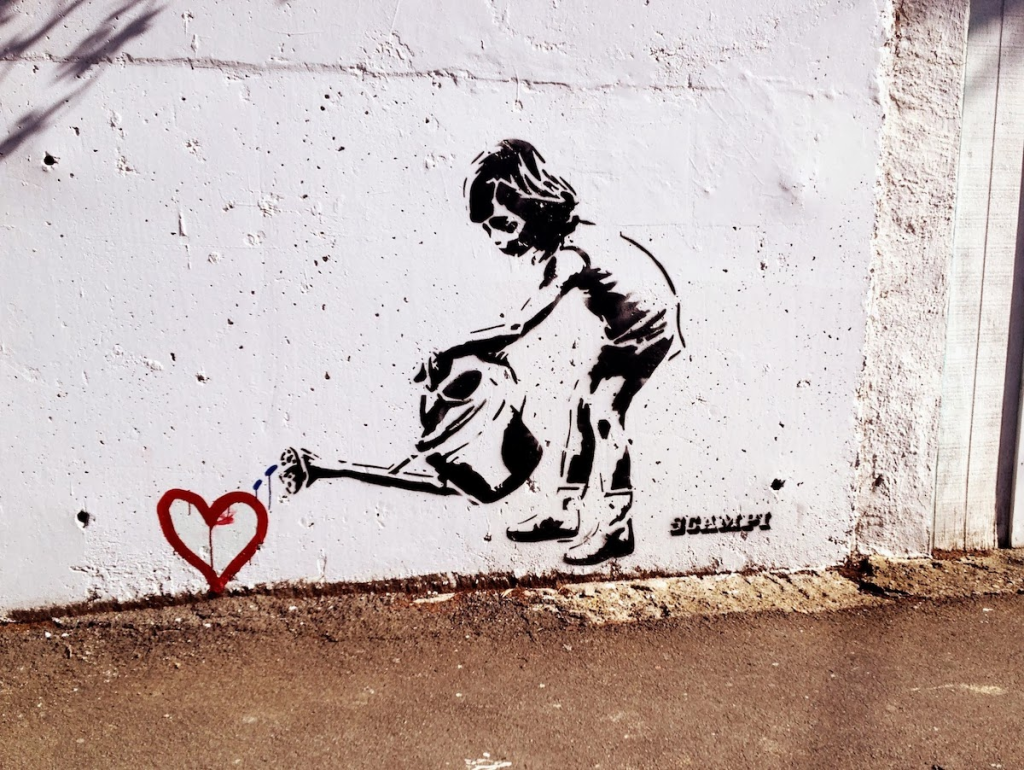
Consider the impact of street art and graffiti, which often transform urban landscapes into canvases for political commentary and community narratives, making art accessible and confrontational in public spaces. These interventions frequently highlight issues of gentrification, inequality, and human rights, forcing passersby to engage with critical social topics they might otherwise ignore.
The Anatomy of Viral Phenomena: Understanding Pop Culture’s Spread
In the digital age, the concept of “going viral” has become synonymous with instant, widespread cultural impact. A viral phenomenon is anything—an idea, a video, a meme, a challenge, or a piece of news—that spreads rapidly from one person to another, often exponentially, through social networks and media channels. Understanding the anatomy of virality is crucial for dissecting modern pop culture and its influence on collective behavior and societal trends.
What Makes Something “Viral”? Psychological Triggers and Social Dynamics
Virality is rarely accidental; it often taps into fundamental human psychology and social dynamics. Certain characteristics make content more shareable and memorable, triggering rapid dissemination across diverse audiences. These triggers are not exclusive to digital content but are amplified by the architecture of online platforms.
- Emotional Resonance: Content that evokes strong emotions—whether joy, anger, awe, or humor—is significantly more likely to be shared. Positive emotions tend to spread more broadly, while negative emotions can also drive engagement, particularly if they tap into collective outrage or concern.
- Social Currency: Sharing content can enhance one’s social standing or identity. People share things that make them look good, smart, informed, or connected to a particular group.
- Practical Value: Information that is perceived as useful, helpful, or provides a solution to a problem tends to spread quickly.
- Storytelling: Narratives are inherently engaging and memorable. Content that tells a compelling story, even a short one, captures attention and encourages sharing.
- Triggers: Certain cues in our environment can remind us of content, making it top-of-mind and increasing the likelihood of sharing.
A study on viral content by Jonah Berger, author of “Contagious: Why Things Catch On,” outlines these principles, emphasizing that effective viral content often combines several of these elements to maximize its spread. For example, a heartwarming video of an unexpected act of kindness can go viral because it evokes strong positive emotions (awe, joy) and provides social currency (sharing it makes the sharer feel and appear compassionate).
Mechanisms of Virality: The Digital Amplifiers
While the psychological triggers for sharing are timeless, modern digital platforms have provided unprecedented mechanisms for rapid, widespread dissemination. Social media networks, messaging apps, and user-generated content platforms act as powerful amplifiers, creating network effects that accelerate virality.
| Mechanism | Description | Example |
|---|---|---|
| Network Effects | The value of a product or service increases with the number of users, leading to exponential growth in sharing. | A meme shared by one person is seen by their network, who then share it with their networks, and so on. |
| Algorithmic Amplification | Social media algorithms prioritize content with high engagement, pushing it to larger audiences. | A TikTok video with many likes and shares is shown to more users on their “For You” page. |
| User-Generated Content (UGC) | Platforms that encourage users to create and share their own versions of content, fostering participation. | Hashtag challenges on Instagram or TikTok where users create their own interpretations of a trend. |
| Influencer Marketing | Individuals with large, engaged followings can rapidly spread content to their audience. | A celebrity endorsing a product or participating in a trend, giving it immediate widespread exposure. |
These mechanisms create a powerful feedback loop: engaging content gets shared, algorithms amplify it, more people see it, and some of them create their own versions, further boosting its reach and cultural impact.
The Interconnected Web: How These Forces Converge
Nostalgia, art, and viral phenomena are not isolated cultural elements; rather, they exist in a dynamic, interconnected web, constantly influencing and shaping one another. Their convergence creates a rich tapestry of modern cultural dynamics, where a trend might start with a nostalgic reference, be amplified by artistic interpretation, and then explode into a viral sensation, leaving a lasting mark on society.
Nostalgia Influencing Viral Trends and Art
The longing for the past often serves as fertile ground for new cultural expressions and viral content. Retro revivals are a prime example of nostalgia driving both artistic trends and viral phenomena.
- Fashion and Music Cycles: The cyclical nature of fashion and music often sees styles from past decades re-emerge, fueled by a collective nostalgia. A band might incorporate 80s synth-pop elements into their new album, which then gains viral traction on platforms like TikTok, appealing to both older generations who remember the original era and younger audiences discovering it anew.
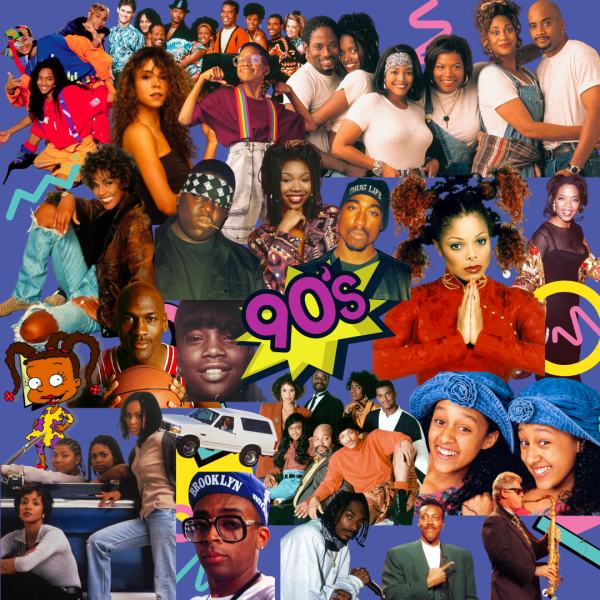
- Reboots and Remakes: The entertainment industry frequently capitalizes on nostalgia through reboots of classic films, TV shows, and video games. These re-imaginings often spark intense online discussion, becoming viral talking points and inspiring fan art, memes, and critical essays. For example, the revival of a beloved 90s cartoon franchise can generate immense social media buzz, leading to a surge in related content creation and sharing.
- Internet Aesthetics: Online communities often create and popularize “aesthetics” (e.g., “cottagecore,” “dark academia”) that draw heavily on nostalgic imagery and idealized past eras, inspiring art, fashion, and lifestyle choices that spread virally.
Art Inspiring Pop Culture and Societal Discourse
Art, whether highbrow or street-level, provides a constant source of inspiration and commentary for pop culture and wider societal discussions. It can introduce new ideas, challenge perceptions, and offer fresh perspectives that filter into mainstream consciousness.
- Social Commentary through Art: A powerful piece of protest art can become a widely shared image online, transforming into a symbol for a social movement and influencing public opinion. For instance, a politically charged mural can be photographed, posted, and discussed across social media, effectively becoming a viral piece of commentary that shapes broader discourse.
- Artistic Techniques in Viral Content: The visual language and storytelling techniques developed in traditional art forms are often adapted and simplified for viral content. The dramatic tension of a short film, the visual rhythm of a painting, or the narrative arc of a novel can be distilled into a viral video or meme, making complex ideas accessible and engaging.
- Music Videos as Cultural Touchstones: Music videos are a hybrid art form that often blend visual art, performance, and music. Iconic music videos can transcend their original purpose, becoming pop culture references and inspiring countless parodies and homages that achieve viral status.
Viral Trends Shaping Artistic Expression and Social Movements
The rapid, decentralized spread of viral phenomena can, in turn, influence the direction of artistic creation and even spark genuine social movements. The feedback loop is evident as artists and activists respond to and integrate viral elements into their work.
- Meme as Art Form: Memes, inherently viral by design, have evolved into a legitimate form of digital folk art, with their own conventions, styles, and cultural significance. Artists may intentionally create meme-inspired works or incorporate meme aesthetics to connect with contemporary audiences.
- Hashtag Activism and Art: Viral hashtags can coalesce public sentiment around social issues, prompting artists to create works that visually represent or amplify these movements. A viral video highlighting environmental degradation might inspire a series of sculptures or photographs that further raise awareness and drive advocacy.
- Co-creation and Remix Culture: Viral trends often thrive on user participation and remixing. This encourages a collaborative form of artistic expression where individuals build upon existing content, leading to new, often unexpected, creative outputs that might not have emerged in a more top-down cultural production model.
Navigating Cultural Currents: Implications for Individuals and Brands
Understanding the intricate interplay of nostalgia, art, and viral phenomena is not merely an academic exercise; it carries significant practical implications for both individuals seeking to comprehend their world and brands aiming to connect authentically with their audiences. In a landscape saturated with information and rapidly shifting trends, critical engagement and strategic thinking are paramount.
For Individuals: Informed Consumption and Critical Thinking
For individuals, navigating modern cultural currents requires a degree of media literacy and critical thinking to discern genuine value from fleeting trends or manipulative tactics. Being aware of how nostalgia, art, and virality operate empowers individuals to be more conscious consumers of culture rather than passive recipients.
- Recognizing Emotional Triggers: Understanding that nostalgia can be leveraged by marketers helps individuals critically assess products or media that play on sentimental feelings, distinguishing genuine connection from commercial manipulation.
- Appreciating Art’s Deeper Meanings: Engaging with art beyond its surface aesthetic, by considering its historical context, social commentary, and emotional depth, enriches personal experience and fosters a more nuanced understanding of complex issues.
- Discerning Viral Authenticity: Developing the ability to question the origins and motivations behind viral content helps individuals avoid misinformation, fads that lack substance, and movements that might be astroturfed rather than genuinely grassroots.
- Cultivating Cultural Fluency: Actively exploring diverse cultural expressions, rather than staying within echo chambers, broadens perspectives and fosters empathy, contributing to a more informed and engaged citizenry.
For Brands: Leveraging Trends Authentically and Ethically
For businesses and brands, the cultural landscape presents both immense opportunities and significant risks. Authenticity, ethical considerations, and a deep understanding of audience psychology are critical for successfully integrating into or influencing cultural conversations.
- Strategic Nostalgia Marketing: Brands can effectively use nostalgia by aligning it with their core values and product offerings, creating campaigns that resonate deeply without feeling exploitative. For instance, a sustainable clothing brand might revive vintage styles with eco-friendly materials, blending old appeal with new ethical practices.
- Supporting and Engaging with Art: Brands can foster goodwill and cultural relevance by supporting artists, sponsoring cultural events, or integrating artistic elements into their brand identity in meaningful ways. This moves beyond mere advertising to becoming a patron of culture.
- Participating in Viral Trends Responsibly: While tempting to jump on every viral bandwagon, brands must assess if a trend aligns with their brand identity and values. Authentic participation involves understanding the nuances of a trend, contributing positively, and avoiding attempts to co-opt or dilute its original meaning, which can backfire and damage brand reputation.
- Data-Driven Cultural Insights: Utilizing analytics to understand what resonates with target audiences, tracking emerging trends, and monitoring cultural conversations allows brands to make informed decisions about their marketing and content strategies, ensuring relevance and impact.
A misstep in navigating cultural currents can lead to significant backlash, often amplified by viral mechanisms. Brands that fail to understand the cultural context of a trend or that appropriate art without respect can face accusations of insensitivity or commercial opportunism, highlighting the need for careful, culturally aware engagement.
Conclusion: The Dynamic Pulse of Modern Culture
The journey through the realms of nostalgia, art, and viral phenomena reveals a dynamic and interconnected cultural ecosystem. Nostalgia provides comfort and continuity, anchoring us to our past while influencing our present choices. Art, in its boundless forms, acts as both a mirror and a hammer, reflecting societal truths and shaping the very fabric of our collective consciousness. Viral trends, amplified by digital networks, demonstrate the astonishing speed and scale at which ideas and behaviors can spread, often redefining pop culture in fleeting yet impactful bursts.
These forces do not operate in isolation; they are constantly converging, creating a rich, complex, and sometimes unpredictable cultural landscape. Understanding their individual mechanisms and their collective interplay is essential for anyone seeking to make sense of the modern world, whether as an individual navigating personal identity or a brand striving for authentic connection. As technology continues to evolve and societal norms shift, the dynamic pulse of culture—driven by our inherent human psychology and our shared artistic expressions—will undoubtedly continue to shape our world in profound and fascinating ways.
Frequently Asked Questions (FAQ)
- Q1: How does nostalgia differ from simply remembering the past?
- Nostalgia is distinct from mere memory because it’s an emotional experience. While it involves recalling past events, it’s typically characterized by a longing, a sense of warmth, and often an idealized view of those memories, serving psychological functions like boosting mood, fostering social connection, and enhancing self-esteem, especially in times of stress or change. It’s not just “what happened,” but “how I felt about what happened.”
- Q2: Can art truly influence social change, or does it merely reflect it?
- Art plays a dual role: it both reflects and actively influences social change. While it mirrors societal values, anxieties, and political climates, art also has the power to challenge norms, provoke thought, evoke empathy, and mobilize action. By presenting alternative perspectives or highlighting injustices, artists can spark dialogue, shift public opinion, and even inspire movements that lead to tangible social and political transformations.
- Q3: What are the key elements that make content go viral in today’s digital age?
- Key elements for virality include strong emotional resonance (joy, awe, anger), high social currency (making the sharer look good or informed), practical value (useful or helpful information), compelling storytelling, and effective use of triggers. These psychological factors are then amplified by digital mechanisms like network effects on social media, algorithmic promotion, user-generated content, and influencer reach.
- Q4: How do nostalgia, art, and viral trends interact with each other?
- These three elements are deeply interconnected. Nostalgia can inspire new art forms (e.g., retro-futurism) or fuel viral trends (e.g., reboots of classic media). Art can provide the original content or aesthetic that then goes viral, or it can offer profound commentary on existing viral phenomena. Viral trends, in turn, can bring niche art forms to mainstream attention, influence contemporary artistic expression (e.g., meme art), or create collective experiences that become future nostalgic touchstones.
- Q5: What are the ethical considerations for brands when leveraging cultural trends like nostalgia or viral phenomena?
- Brands must prioritize authenticity and respect. Ethically, they should avoid exploiting sensitive nostalgic memories, culturally appropriating artistic expressions, or co-opting social movements for purely commercial gain. Genuine engagement involves understanding the cultural context, aligning with brand values, contributing positively to the conversation, and ensuring that their participation doesn’t dilute the original meaning or intent of the trend or art form.
Written By