In the 21st century, the creation of national and international policy is no longer a straightforward process confined to legislative chambers and diplomatic backrooms. It is a complex, often volatile, synthesis of deeply interconnected forces. From the high-stakes negotiations between superpowers to the determined chants of a local protest, a multitude of factors exert pressure on decision-makers. This guide provides an in-depth exploration of the primary drivers shaping our world today: the intricate dance of global diplomacy, the undeniable reality of climate change, the surging power of social movements, the pervasive influence of the media, and the urgent humanitarian demands of global crises. Understanding this interplay is crucial for comprehending the challenges and opportunities that define our contemporary global landscape.
The Landscape of Modern Global Diplomacy
Global diplomacy remains a cornerstone of international order, yet its character is constantly evolving. Today’s diplomatic environment is defined by a complex web of shifting alliances, economic rivalries, and persistent geopolitical tensions. It is a multi-polar world where influence is more distributed, and challenges are increasingly transnational, requiring collaboration even among adversaries. The traditional state-to-state interactions are now supplemented by economic statecraft, digital diplomacy, and the influence of non-state actors.
Key Tensions Shaping International Relations
The contemporary world is marked by several key points of tension that dictate diplomatic priorities and military postures. The strategic competition between the United States and China is arguably the most defining feature, spanning economic, technological, and military domains. This rivalry impacts global supply chains, technological standards, and security architectures, particularly in the Indo-Pacific. Simultaneously, renewed tensions between Russia and the West, exemplified by conflicts and proxy standoffs, have resurrected Cold War-era divisions and placed immense strain on international security frameworks. These major power competitions create a challenging environment for resolving other global issues, as cooperation is often held hostage to geopolitical maneuvering.
The Evolving Role of Strategic Alliances
In response to these tensions, strategic alliances are both being reinforced and re-imagined. Traditional alliances like the North Atlantic Treaty Organization (NATO) have found renewed purpose, expanding their focus to include cyber threats and the security implications of climate change. In parallel, new groupings are emerging to address specific regional challenges. For example, the Quadrilateral Security Dialogue (Quad), comprising the US, Japan, Australia, and India, has gained prominence as a coalition aimed at ensuring a free and open Indo-Pacific. These alliances are no longer purely military; they are increasingly focused on economic security, technological cooperation, and upholding a rules-based international order.
Economic Diplomacy and Trade as a Foreign Policy Tool
Economic interdependence has made trade and finance powerful tools of foreign policy. Nations increasingly use tariffs, sanctions, and trade agreements to achieve strategic objectives. Trade wars can erupt over issues like intellectual property theft or market access, with significant consequences for the global economy. Conversely, development aid and investment, such as China’s Belt and Road Initiative, are used to build influence and secure access to critical resources. This weaponization of economics adds another layer of complexity to global relations, where commercial interests and national security are inextricably linked.
Climate Change as a Dominant Policy Driver
Perhaps no single issue has forced its way onto the global policy agenda with more urgency than climate change. Its effects are no longer distant threats but present-day realities, manifesting as extreme weather events that devastate communities and economies. This has transformed climate change from a purely environmental issue into a core component of national security, economic planning, and international relations.
The Unmistakable Science Behind Extreme Weather
The scientific consensus is clear: a warming planet, driven by anthropogenic greenhouse gas emissions, is supercharging our weather systems. Increased atmospheric and oceanic temperatures provide more energy for storms, leading to more intense hurricanes and typhoons. Warmer air can hold more moisture, resulting in heavier rainfall and catastrophic flooding in some regions, while simultaneously exacerbating droughts and heatwaves in others. Events like atmospheric rivers, polar vortex disruptions, and widespread wildfires are becoming more frequent and severe, providing undeniable evidence that climate change is actively reshaping our physical world and demanding a policy response.
Climate Policy in Action: Governments and Green Initiatives
In response, governments worldwide are implementing a range of green initiatives. The landmark Paris Agreement serves as the global framework, committing nations to work towards limiting global warming. At the national level, this translates into policies such as:
- Carbon Pricing: Implementing carbon taxes or emissions trading systems (ETS) to make polluting more expensive.
- Renewable Energy Subsidies: Providing financial incentives for wind, solar, and other clean energy sources to accelerate the transition away from fossil fuels.
- Investment in Green Infrastructure: Funding projects like public transit, electric vehicle charging networks, and energy-efficient buildings.
- Regulatory Standards: Setting stricter emissions standards for vehicles and industries and banning certain single-use plastics.
These policies represent a fundamental shift in economic strategy, aiming to decouple growth from carbon emissions.
The Geopolitics of Transboundary Resources: The Case of Shared Water
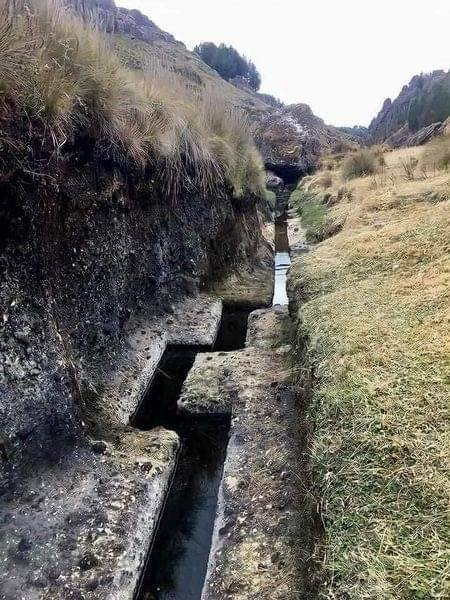
Climate change intensifies competition over shared natural resources, most critically transboundary water basins. Rivers like the Nile, Mekong, and Indus, which flow across multiple borders, are lifelines for millions. As droughts become more common and glaciers, the source of many rivers, recede, tensions over water allocation are rising. The construction of upstream dams can have profound impacts on downstream nations, affecting agriculture, drinking water supplies, and electricity generation. This has led to “hydro-politics,” where water rights become a major point of diplomatic friction or, conversely, a catalyst for cooperative treaties and joint management agreements. Effective water diplomacy is becoming essential for regional stability.
The Rising Power of Social and Grassroots Movements
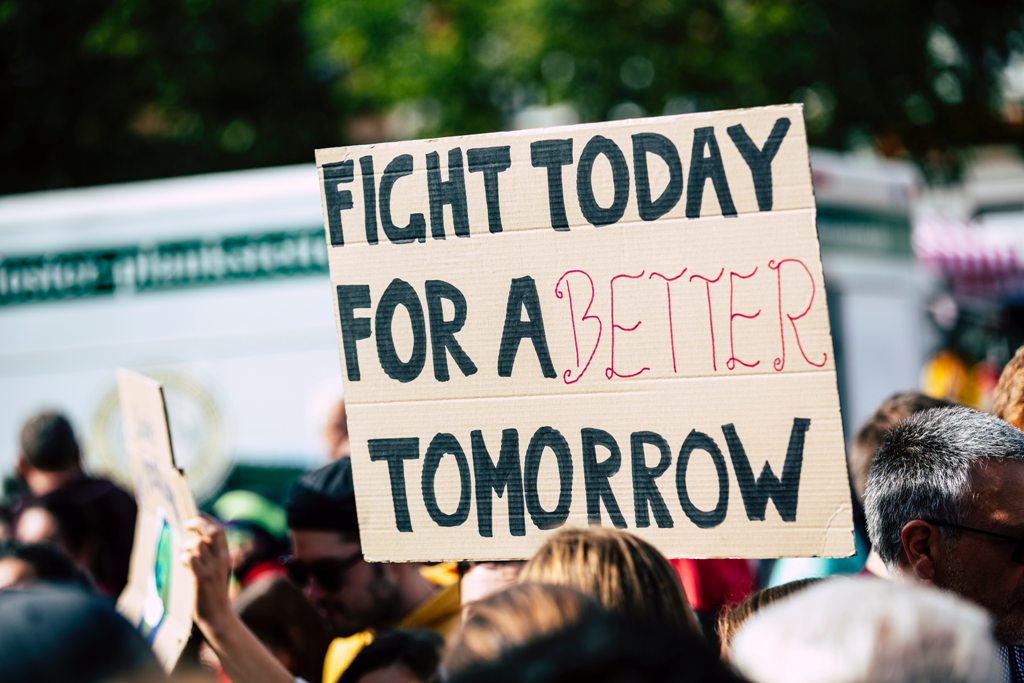
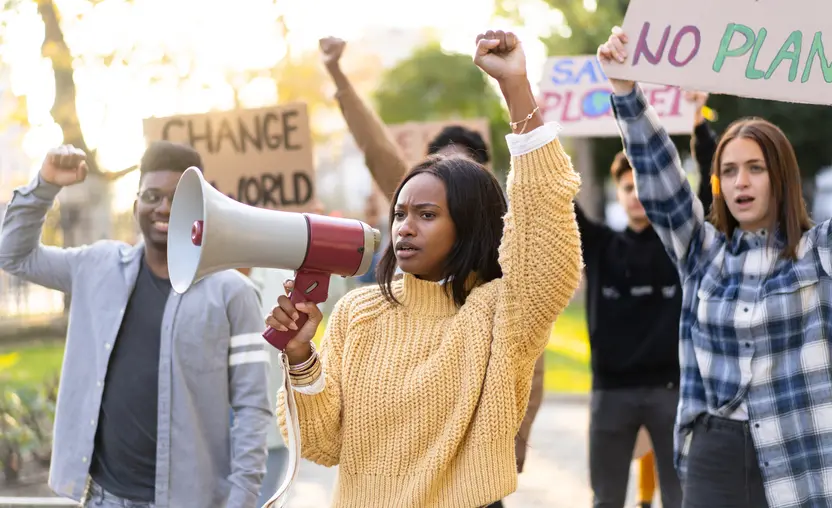
While top-down policy is shaped by governments and international bodies, a powerful counter-current of bottom-up influence is growing stronger. Social and grassroots movements, organized by ordinary citizens, are increasingly effective at challenging the status quo, setting agendas, and forcing policy change. Empowered by digital technology and driven by a sense of urgency, these movements are a defining feature of modern political life.
How Local Activism Translates to National Policy
Change often begins at the local level. A community group protesting a polluting factory, a neighborhood advocating for safer streets, or parents demanding better school funding can create a ripple effect. These local campaigns serve as a training ground for activists and a laboratory for effective strategies. Success at the municipal or state level can build momentum, attract media attention, and create a blueprint for a national campaign. By demonstrating public support and political feasibility on a small scale, grassroots movements can pressure national politicians to adopt their causes, ultimately translating local concerns into federal law.
Digital Activism and the Amplification of Influence
The internet and social media have revolutionized activism. Platforms like Twitter, Facebook, and TikTok allow movements to:
- Organize Rapidly: Mobilize supporters for protests and events with unprecedented speed and scale.
- Bypass Traditional Media: Communicate their message directly to the public, unfiltered by established media gatekeepers.
- Globalize a Cause: Connect with like-minded individuals across the world, turning a local issue into a global movement (e.g., #BlackLivesMatter, Fridays for Future).
- Crowdfund Resources: Raise money for legal challenges, advertising, and organizational costs from a broad base of small-dollar donors.
This digital toolkit has leveled the playing field, allowing movements with limited institutional power to exert significant influence on public discourse and policy debates.
The Media’s Influence on Political Perception and Policy
The media, in all its forms, acts as the primary lens through which most people understand political and social issues. Its power lies not only in reporting facts but in shaping narratives, setting priorities, and influencing public opinion, which in turn places immense pressure on policymakers. In the digital age, this influence has become more fragmented, immediate, and potent.
Agenda-Setting: How Media Determines What We Think About
A core function of the media is agenda-setting. By choosing which stories to cover and how prominently to feature them, news organizations signal to the public what is important. An issue that receives sustained, high-profile coverage—be it immigration, healthcare, or a foreign conflict—is more likely to be perceived by the public as a pressing problem that requires government action. Politicians, who are highly sensitive to public opinion and media narratives, are often forced to respond to the agenda set by the press, directing their focus and political capital toward those highlighted issues.
Framing Narratives and Shaping Public Opinion
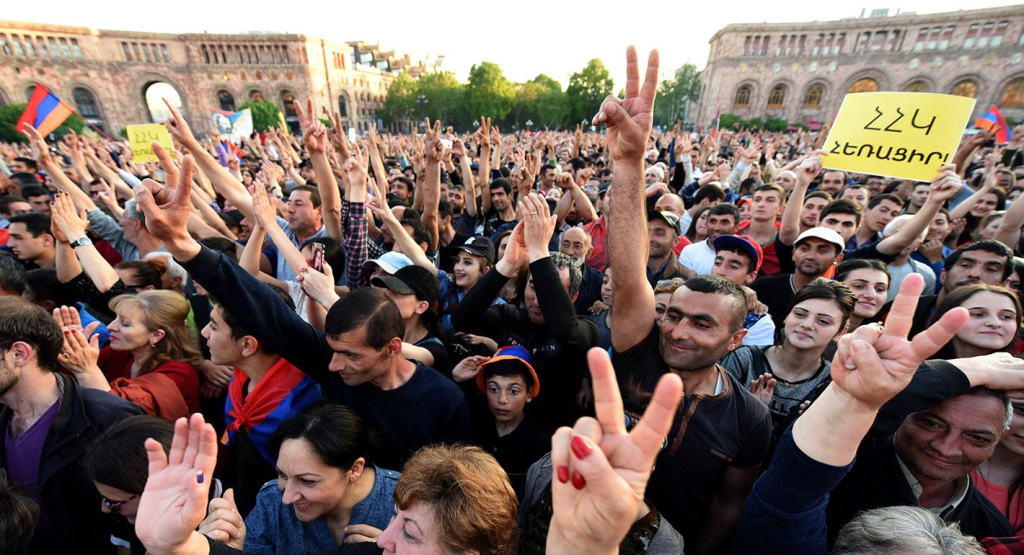
Beyond simply choosing what to cover, the media “frames” stories by selecting certain aspects of a reality to emphasize. A protest can be framed as a “peaceful demonstration for civil rights” or a “violent riot threatening public order.” A new tax can be framed as a “burden on working families” or a “necessary investment in public services.” These frames are incredibly powerful. They evoke specific emotions, moral judgments, and political associations, fundamentally shaping how the public understands an issue and whether they support or oppose a related policy. The choice of words, images, and expert sources all contribute to the construction of a dominant narrative.
The Challenge of Misinformation in the Digital Age
The rise of social media and a decentralized information ecosystem has created a fertile ground for misinformation and disinformation. False or misleading narratives can spread rapidly, often amplified by algorithms designed to maximize engagement rather than accuracy. This erodes public trust in institutions, polarizes society, and makes evidence-based policymaking extremely difficult. When a significant portion of the population operates from a different set of “facts,” it becomes nearly impossible to build the consensus needed to address complex challenges like pandemics or climate change.
Responding to Global Crises: The Case of Mass Displacement
The global refugee crisis serves as a powerful case study where all the previously discussed forces—diplomacy, climate, social pressure, and media—converge. Mass displacement, driven by conflict, persecution, and increasingly by climate-related disasters, presents one of the most significant humanitarian and political challenges of our time. How nations respond reveals their core values and strains the limits of international cooperation.
Understanding the Drivers of the Global Refugee Crisis
The primary drivers of mass displacement are multifaceted. Protracted conflicts in regions like Syria, Ukraine, and parts of sub-Saharan Africa remain the largest single cause, forcing millions to flee violence. Political persecution and human rights abuses also compel people to seek asylum elsewhere. Increasingly, however, climate change is a “threat multiplier.” Severe droughts, rising sea levels, and catastrophic floods are rendering entire regions uninhabitable, leading to a new category of “climate refugees” and adding immense pressure to already volatile situations.
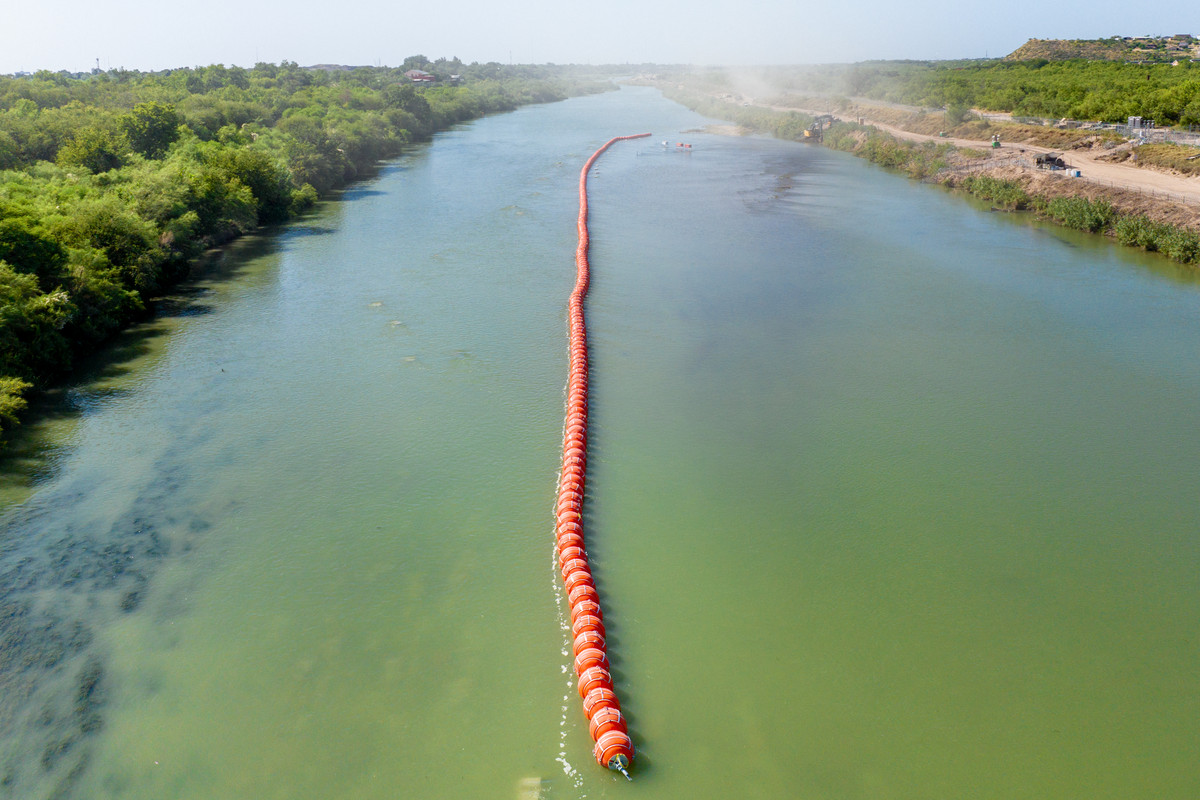
Varied National Responses: From Welcoming to Walling Off
The global response to this crisis has been deeply fragmented. Some countries, often neighboring the crisis zones, have shouldered a disproportionate burden, hosting millions of refugees. Others, particularly in the Global North, have demonstrated a wide spectrum of policies.
- Integrationist Policies: Some nations, like Germany during the 2015 crisis, have adopted policies aimed at welcoming and integrating refugees into their society and workforce.
- Deterrence and Containment: Many other countries have focused on deterrence, strengthening borders, building walls, and externalizing their asylum processes by making deals with third countries to hold asylum seekers.
- Legal Ambiguity: The legal status of those fleeing climate disasters is not clearly defined under international law, such as the 1951 Refugee Convention, creating challenges for protection.
These divergent approaches are shaped by domestic politics, economic capacity, media narratives, and public sentiment.
The Role of International Law and Humanitarian Organizations
Amid these varied state responses, international law and humanitarian organizations play a critical role. The 1951 Refugee Convention and its 1967 Protocol provide the legal foundation for refugee protection, outlining the rights of refugees and the obligations of states. Organizations like the UNHCR (United Nations High Commissioner for Refugees), the International Red Cross, and numerous NGOs work on the front lines, providing essential aid like food, shelter, and medical care. They also advocate for the rights of displaced people and work with governments to find durable solutions, whether that be repatriation, local integration, or resettlement in a third country.
Frequently Asked Questions (FAQ)
- Q1: What is the single biggest factor influencing global policy today?
- There is no single factor, which is the central challenge. Global policy is a result of the complex interplay between multiple powerful forces. However, climate change is arguably becoming the most pervasive ‘meta-issue’ as it directly impacts and exacerbates nearly every other area, from economic stability and food security to migration patterns and geopolitical conflict over resources.
- Q2: How can grassroots movements effectively challenge established government policies?
- Effective grassroots movements typically combine several strategies. They often start with clear, achievable local goals to build momentum. They use digital tools to organize, fundraise, and spread their message widely. Crucially, they build broad coalitions, connecting with other social groups, academic experts, and sometimes even sympathetic politicians. Sustained, non-violent protest and strategic media engagement are key to keeping their issue on the public and political agenda.
- Q3: What role does international law play in managing shared resources like rivers?
- International law, through treaties and conventions like the UN Watercourses Convention, provides a framework for the equitable and reasonable utilization of shared water resources. It establishes principles such as the obligation not to cause significant harm to other watercourse states and the duty to cooperate through data sharing and joint management. While enforcement can be challenging, these legal frameworks are crucial for facilitating negotiations and providing a basis for resolving disputes peacefully, turning potential conflicts into opportunities for cooperation.
- Q4: How has social media changed the landscape of global diplomacy?
- Social media has created a new arena for diplomacy, often called “Twiplomacy.” It allows leaders and foreign ministries to communicate directly with foreign publics, bypassing traditional media. It can be used for public announcements, to signal policy intentions, and to engage in real-time crisis communication. However, it also presents risks, as the informal and rapid-fire nature of the platforms can lead to misinterpretations, gaffes, and the rapid escalation of tensions. It has made diplomacy more public and instantaneous than ever before.
- Q5: Why are national responses to the refugee crisis so different?
- National responses vary widely due to a combination of factors. A country’s geographic proximity to a crisis is a major determinant. Domestic politics also play a huge role; public opinion, often shaped by media narratives and the rise of populist or nationalist parties, can push governments toward either more welcoming or more restrictive policies. Economic capacity, historical experiences with immigration, and existing legal frameworks also heavily influence a nation’s approach to accepting and integrating refugees.