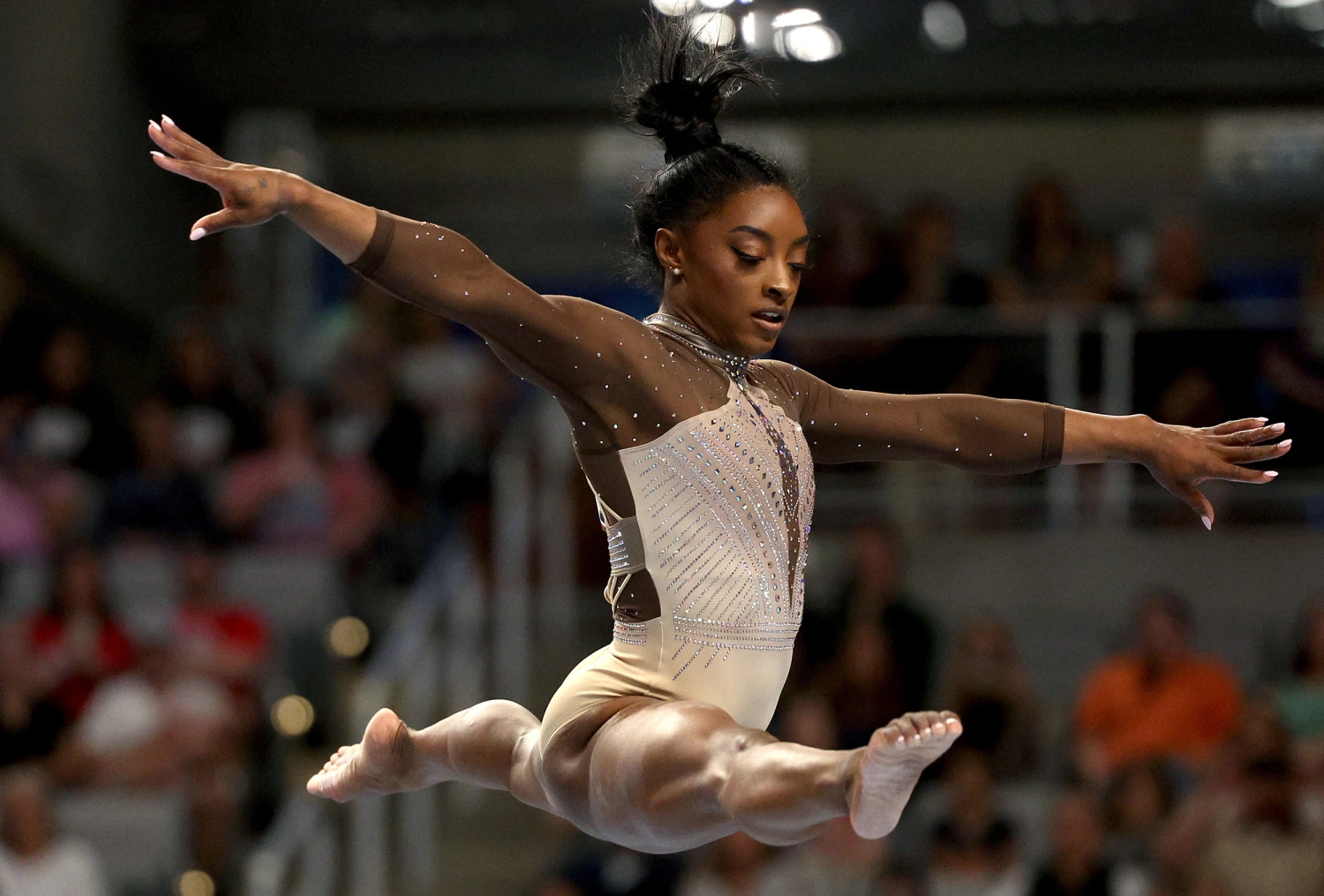
Sports serve as a fascinating microcosm of human society, reflecting our values, struggles, and aspirations. From ancient Olympic games to modern global spectacles, the world of sports has continuously evolved, mirroring and often driving significant social, economic, and cultural changes. This pillar page embarks on a comprehensive journey through the dynamic landscape of sports, examining how major leagues have transformed, the pivotal role women have played in challenging norms and achieving unprecedented success, and a critical analysis of the health realities faced by athletes. We will move beyond simplistic narratives to explore the intricate connections between athletic endeavor, societal progress, and individual well-being.
The Dynamic Evolution of Major Leagues and Societal Reflection
The history of major league sports is a narrative of constant adaptation, driven by technological advancements, economic shifts, and profound societal movements. What began as informal recreational activities has burgeoned into a multi-billion dollar global industry, deeply intertwined with national identities and cultural expressions. Understanding this evolution requires a deep dive into the historical trajectories that shaped their current forms, how they’ve served as powerful mirrors of social change, and their far-reaching economic and cultural impact.
Historical Trajectories: From Amateurism to Professionalism
Early sports were largely amateur pursuits, often linked to educational institutions or local communities. The transition to professionalism, particularly prominent in the late 19th and early 20th centuries, marked a significant turning point. This shift was not merely about athletes being paid; it involved the formalization of rules, the establishment of leagues, the construction of dedicated venues, and the burgeoning concept of sports as entertainment. For instance, the evolution of baseball in the United States from local clubs to the National League and American League demonstrates a clear path towards commercialization and professionalization. This era also saw the rise of iconic figures whose athletic prowess captivated audiences and laid the groundwork for modern sports fandom.
- Early Structures: Focus on local clubs, university competitions, and community-based events.
- Industrial Revolution Impact: Increased leisure time for some, allowing for greater participation and spectatorship.
- Emergence of Leagues: Formalized competition, standardized rules, and structured seasons, moving away from ad-hoc matches.
- Financial Incentives: Athletes began to demand and receive compensation, fundamentally altering the nature of competition and training.
- Media Growth: Newspapers and radio broadcasts started to cover sports extensively, expanding their reach and popularity.
Sports as a Mirror: Reflecting Social Progress and Challenges
Major leagues have frequently served as powerful barometers of societal norms and agents of change. From racial integration to gender equality and LGBTQ+ rights, the sports arena has often been a battleground for broader social justice movements. Jackie Robinson breaking the color barrier in Major League Baseball in 1947 is a seminal example, directly challenging racial segregation not just in sports but across American society. Similarly, the fight for equal pay and recognition for women athletes reflects ongoing struggles for gender equity. These moments underscore how sports can both perpetuate existing biases and provide a highly visible platform for progressive change, forcing public discourse and shifting perceptions.
- Racial Integration: The slow but impactful process of integrating athletes of color into predominantly white leagues, often predating broader civil rights legislation.
- Gender Equality: The ongoing push for equal opportunities, pay, and media coverage for women’s sports, exemplified by Title IX in the US and global movements.
- Nationalism and Identity: Sports events like the Olympics or World Cup often become proxies for national pride and identity, sometimes highlighting geopolitical tensions.
- Economic Disparities: The vast wealth generated by major leagues can sometimes mask issues of athlete exploitation or unequal distribution of resources.
- Technological Influence: Advancements in broadcasting and digital media have transformed how fans consume sports, making it a truly global phenomenon.
Economic and Cultural Impact: Beyond the Game
The economic footprint of major league sports extends far beyond ticket sales and merchandise. It encompasses massive broadcasting deals, advertising revenue, sports tourism, infrastructure development, and a sprawling ecosystem of related industries. Culturally, sports figures often transcend their athletic roles to become influential celebrities, trendsetters, and even political voices. The narratives woven around teams and athletes contribute significantly to local and national folklore, creating shared experiences and collective memories that bind communities. Think of the cultural significance of the Super Bowl in the US or the Premier League in the UK; these are not just sporting events but cultural institutions that shape annual calendars and public discourse.
- Multi-billion Dollar Industry: Encompasses broadcasting rights, endorsements, merchandise, gambling, and event hosting.
- Job Creation: Provides employment across various sectors, from athletes and coaches to media personnel and stadium staff.
- Urban Development: Construction and maintenance of stadiums and arenas often revitalize urban areas and drive local economies.
- Global Reach: Major leagues attract international fan bases and investment, facilitating cultural exchange.
- Cultural Icons: Athletes become role models and public figures, influencing fashion, social issues, and consumer trends.
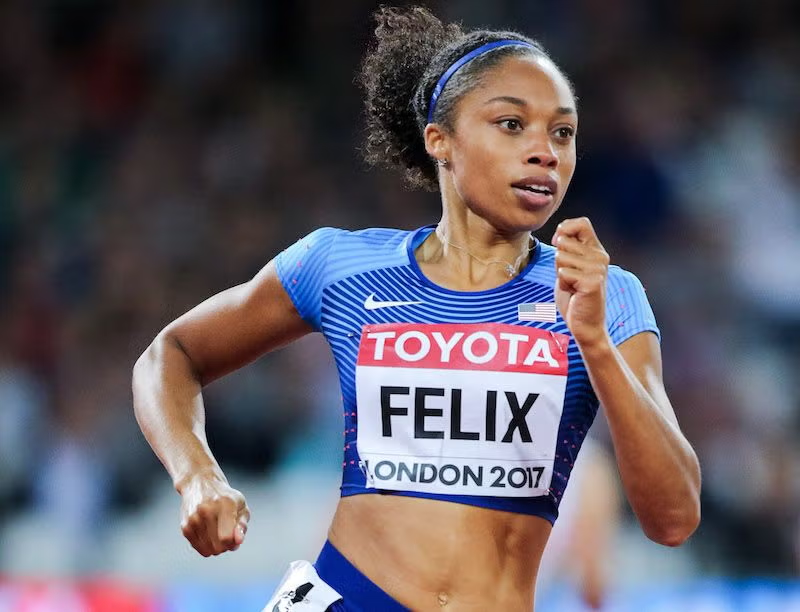
Women in Sports: Shattering Records and Breaking Barriers
The journey of women in sports is a testament to unwavering determination, resilience, and an unyielding quest for equality. Historically marginalized and often relegated to the sidelines, women have systematically dismantled barriers, proving their athletic prowess, competitive spirit, and immense capacity to inspire. This section celebrates the trailblazers who paved the way, examines the current landscape of women’s sports, and addresses the persistent challenges that still demand attention and action.
A Legacy of Resilience: Trailblazers and Pioneers
From the early 20th century, women athletes defied societal expectations that deemed strenuous physical activity unfeminine or harmful. Figures like Babe Didrikson Zaharias, who excelled in multiple sports in the 1930s, challenged conventional wisdom. Later, Billie Jean King’s “Battle of the Sexes” in tennis in 1973 was not just a match but a powerful statement on gender equality, significantly boosting women’s tennis and advocating for equal pay. These pioneers, alongside countless others in various disciplines, laid the crucial groundwork, often facing ridicule, lack of resources, and systemic discrimination, yet they persevered, creating a legacy that continues to empower future generations.
- Early Pioneers: Athletes like Babe Didrikson Zaharias and Suzanne Lenglen broke stereotypes in the early 20th century.
- Advocacy for Equality: Billie Jean King’s activism and the “Battle of the Sexes” brought gender issues in sports to the forefront.
- Title IX Impact: Landmark legislation in the US (1972) dramatically increased opportunities for women in collegiate sports, though its implementation faced resistance.
- Olympic Achievements: Women’s increasing participation and medal counts in the Olympic Games showcase global progress.
- Endurance and Strength: Female athletes have consistently pushed the boundaries of human performance, challenging previous notions of physical limits.
The Rise of Women’s Sports: Increased Visibility and Investment
In recent decades, women’s sports have experienced a surge in popularity, visibility, and investment. Leagues like the WNBA, NWSL, and various international women’s football (soccer) leagues have grown substantially, attracting dedicated fan bases and corporate sponsorships. Major events, such as the FIFA Women’s World Cup, now draw massive global audiences, demonstrating a clear demand for high-quality women’s athletic competition. This growth is fueled by improved media coverage, strategic marketing, and the undeniable talent and charisma of athletes who are becoming household names. However, this growth is still uneven and often lags behind men’s sports in terms of overall investment and media airtime.
- League Expansion: Growth of professional leagues such as the WNBA, NWSL, and Women’s Super League (football).
- Record Audiences: Major tournaments like the FIFA Women’s World Cup and Olympic events consistently break viewership records.
- Sponsorship Growth: Increased corporate interest and investment in individual athletes and women’s teams.
- Media Coverage Improvement: While still unequal, dedicated sports channels and digital platforms are providing more airtime and analytical content for women’s sports.
- Fan Engagement: Growing communities of passionate supporters who actively follow and promote women’s athletic achievements.
Addressing Disparities: Pay Gaps, Media Coverage, and Leadership
Despite significant progress, substantial disparities persist in women’s sports. The issue of unequal pay remains a contentious point, with female athletes often earning a fraction of their male counterparts, even when performing at comparable or higher levels of success. This wage gap is often exacerbated by a lack of equitable media coverage, which historically has dedicated only a small percentage of airtime and print space to women’s sports. Furthermore, women are underrepresented in leadership roles within sports organizations, coaching staffs, and executive boards. Addressing these systemic issues requires continued advocacy, policy changes, and a fundamental shift in how women’s sports are valued and promoted by institutions and the public alike.
- Wage Inequality: Significant pay gaps exist across most sports, leading to ongoing legal challenges and advocacy efforts.
- Media Bias: Disproportionate and often less serious coverage compared to men’s sports, impacting viewership and sponsorship potential.
- Underrepresentation in Leadership: Few women hold positions of power in sports governance, coaching, and management.
- Resource Allocation: Disparities in funding for training facilities, marketing, and developmental programs.
- Sexualization vs. Athleticism: Ongoing struggle to ensure female athletes are recognized for their athletic achievements rather than their appearance.
Inspiring the Next Generation: Role Models and Empowerment
The visibility of successful women athletes is paramount for inspiring young girls and challenging entrenched gender stereotypes. When girls see athletes like Simone Biles dominating gymnastics, Megan Rapinoe leading in soccer, or Serena Williams redefining tennis, they gain powerful role models who demonstrate strength, resilience, and the pursuit of excellence. These athletes not only achieve sporting glory but also use their platforms to advocate for social change, mental health awareness, and body positivity. Their impact extends beyond the playing field, fostering a sense of empowerment and showing young women that their ambitions, in sports and life, are limitless.
- Visible Role Models: Elite female athletes provide tangible proof of what is achievable.
- Challenging Stereotypes: Athletes demonstrate that strength, competitiveness, and success are inherently feminine traits.
- Mentorship Programs: Initiatives connecting aspiring young athletes with established professionals.
- Youth Participation: Increased interest and participation in sports among young girls, leading to healthier lifestyles and character development.
- Advocacy for Broader Issues: Many female athletes use their platforms to champion causes beyond sports, like mental health and social justice.
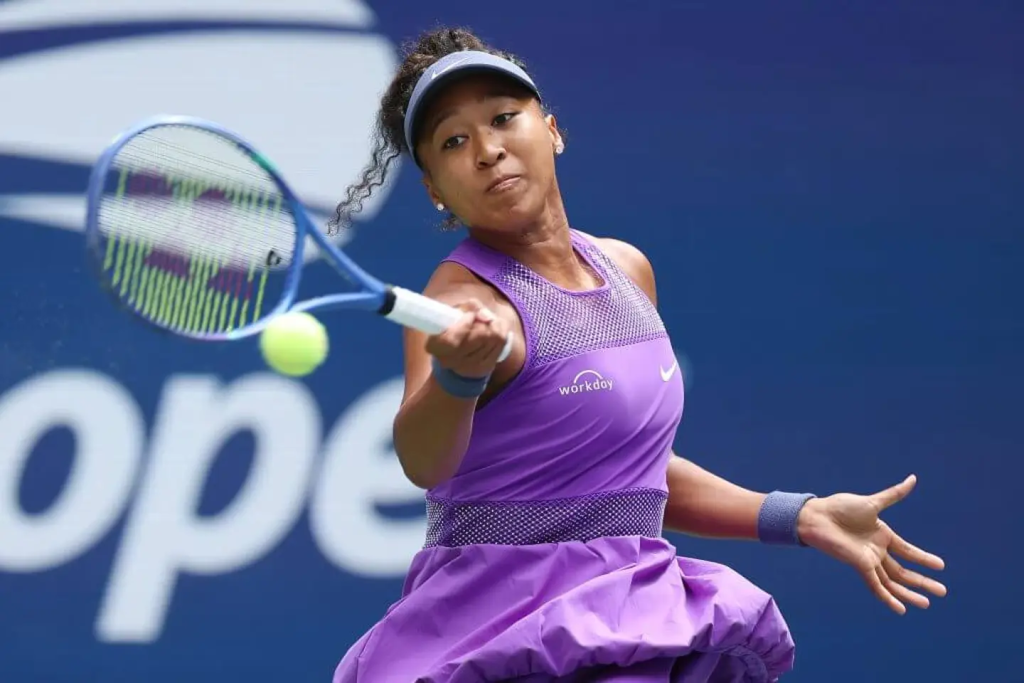
Athlete Health: Debunking Myths and Understanding Realities
The popular image of an athlete often conjures notions of peak physical perfection and invincibility. While elite athletes certainly represent the pinnacle of human performance, the reality of their health is far more complex and nuanced than often portrayed. This section delves into the intense physical and mental demands of professional sports, explores common health concerns, and critically examines whether athletes are, in fact, inherently healthier than the general population, both during and after their careers.
The Rigors of Elite Performance: Physical and Mental Demands
Achieving and maintaining elite athletic status demands an extraordinary commitment to training, often involving punishing schedules, extreme diets, and relentless travel. This regimen places immense stress on the body, pushing physiological limits daily. Beyond the physical, the mental demands are equally severe: constant pressure to perform, intense public scrutiny, the fear of injury or failure, and the psychological burden of competition. Athletes regularly face high-stakes situations where their careers and livelihoods are on the line, leading to significant mental health challenges that are increasingly being recognized and addressed within sports communities.
- Intensive Training Regimens: Daily, multi-hour training sessions focused on strength, endurance, skill, and recovery.
- Strict Nutritional Protocols: Carefully managed diets to optimize performance and body composition, sometimes leading to disordered eating.
- Sleep Deprivation: Often a consequence of travel schedules, early training, and late-night competitions, impacting recovery.
- Performance Pressure: The constant expectation to win, excel, and justify high salaries or public investment.
- Media Scrutiny: Athletes’ lives and performances are often dissected publicly, adding to psychological stress.
Common Athlete Health Concerns: Injuries, Nutrition, and Mental Wellness
Despite rigorous conditioning, injuries are an almost inevitable part of an athlete’s career. From acute trauma like ACL tears and concussions to chronic overuse injuries such as tendinitis and stress fractures, the body is constantly at risk. Furthermore, while nutrition is critical for performance, athletes can struggle with maintaining a healthy relationship with food, sometimes leading to restrictive eating disorders or reliance on supplements. Perhaps most critically, mental health issues like depression, anxiety, and burnout are prevalent, often overlooked due to the “tough” image associated with sports. The pressure to always be strong and resilient can deter athletes from seeking necessary psychological support.
- Musculoskeletal Injuries: High incidence of sprains, strains, fractures, and ligament tears due to high-impact and repetitive movements.
- Concussions: A significant concern in contact sports, with long-term neurological implications.
- Nutritional Deficiencies/Disorders: Athletes may face pressure to maintain specific body types, leading to unhealthy eating habits or struggles with body image.
- Burnout and Overtraining Syndrome: Chronic fatigue, decreased performance, and increased injury risk from excessive training without adequate recovery.
- Mental Health Challenges: Depression, anxiety, performance anxiety, and identity crises are common, especially post-retirement.
Long-Term Health Outcomes: Beyond the Playing Field
The health consequences of an athletic career often extend far beyond retirement. Many former athletes grapple with chronic pain, degenerative joint conditions (e.g., osteoarthritis from repeated impact), and neurological issues, particularly those from contact sports. The transition from a highly structured athletic life to “normal” life can also trigger significant mental health challenges, including identity loss, depression, and difficulty adjusting. Financial instability, especially for those who didn’t reach the highest professional levels, can compound these issues. Therefore, comprehensive support systems are crucial for athletes transitioning out of their sport, focusing on physical rehabilitation, mental health services, and career development.
- Chronic Pain: Lingering effects of injuries, surgeries, and the cumulative impact of intense physical exertion.
- Degenerative Conditions: Increased risk of osteoarthritis, particularly in joints subjected to high stress (knees, hips, shoulders).
- Neurological Issues: Long-term effects of concussions and head trauma, including CTE (Chronic Traumatic Encephalopathy) in some contact sports.
- Mental Health Post-Career: Identity crises, depression, and anxiety are common as athletes adjust to life without their sport.
- Cardiovascular Health: While often excellent during their career, some athletes may face specific cardiac risks or conditions linked to extreme training.
The Healthiest Among Us? A Nuanced Perspective
While athletes generally possess superior cardiovascular fitness, muscular strength, and lower body fat percentages than the general population during their active careers, it is simplistic to declare them universally “healthier.” The extreme demands of elite sports often lead to unique health vulnerabilities that the average person does not face. The pursuit of peak performance can sometimes come at the cost of long-term well-being. A truly healthy individual often balances physical activity with mental well-being, social connections, and sustainable lifestyle choices, which are frequently sacrificed in the highly competitive world of professional sports. Thus, while athletes are incredibly fit, their health profile is distinct and not always superior in every dimension.
- Peak Physical Condition: Unparalleled cardiovascular health, strength, agility, and endurance during their active careers.
- Specialized Health Risks: Susceptibility to specific injuries, overtraining, and unique mental health pressures.
- Short-Term vs. Long-Term Health: High performance in the short term does not guarantee robust health in later life.
- Holistic Health Definition: True health encompasses physical, mental, emotional, and social well-being, which can be challenging to maintain in elite sports.
- Support Systems: The need for robust medical, psychological, and transitional support for athletes is paramount to mitigate long-term health risks.

The Future of Sports: Innovation, Inclusion, and Global Reach
The trajectory of sports is one of continuous evolution, driven by technological innovation, an increasing demand for inclusivity, and an ever-expanding global footprint. As we look ahead, the intersection of cutting-edge science, progressive social values, and boundless international appeal will redefine how sports are played, consumed, and experienced. The future promises a more connected, data-driven, and diverse sporting landscape that continues to push the boundaries of human potential and societal engagement.
Technological Advancements: Training, Fan Engagement, and Analytics
Technology is rapidly transforming every facet of sports. In training, wearable sensors and advanced biomechanical analysis provide athletes with unprecedented data to optimize performance, prevent injuries, and accelerate recovery. Virtual reality (VR) and augmented reality (AR) are revolutionizing fan engagement, offering immersive viewing experiences and interactive content that goes beyond traditional broadcasts. Data analytics, powered by artificial intelligence, is becoming indispensable for strategy development, talent scouting, and even predicting game outcomes. These innovations are not just enhancing the competitive edge but also making sports more accessible and engaging for a global audience.
- Wearable Technology: Smart devices track vital signs, movement patterns, and recovery metrics for personalized training.
- Biomechanics and Data Analytics: Advanced analysis of athletic movements to improve technique and reduce injury risk.
- Virtual and Augmented Reality: Immersive experiences for fans, allowing them to feel closer to the action and interact with content.
- AI in Strategy: Artificial intelligence assists coaches in tactical planning, player development, and opponent analysis.
- Broadcasting Innovations: Drones, 360-degree cameras, and real-time statistics enhance the viewing experience for audiences worldwide.
Fostering Diversity and Inclusion: A Continuous Journey
The future of sports will be defined by a greater commitment to diversity and inclusion across all levels. This means not only increasing representation for women, people of color, and LGBTQ+ individuals but also actively creating environments where everyone feels safe, respected, and empowered to participate. Efforts include developing grassroots programs in underserved communities, implementing inclusive policies in professional leagues, and challenging discriminatory practices wherever they arise. The goal is to ensure that sports truly reflect the global population, leveraging the diverse talents and perspectives that enrich the competitive landscape and strengthen the social fabric of sport.
- Grassroots Development: Programs aimed at increasing participation in sports for marginalized communities.
- Inclusive Policies: Implementation of anti-discrimination rules and support systems for LGBTQ+ athletes, women, and minorities.
- Representation in Media and Leadership: Actively promoting diversity in broadcasting, coaching, and executive roles.
- Adaptive Sports: Continued growth and recognition of para-sports and adaptive athletes, showcasing diverse abilities.
- Athlete Activism: Athletes using their platforms to advocate for social justice and equality, driving conversations and change.
Global Expansion and New Sporting Frontiers
Sports are inherently global, and this trend is only accelerating. Major leagues are actively expanding their international presence through overseas games, global marketing campaigns, and talent acquisition from every corner of the world. Simultaneously, new sports and formats are emerging, driven by youth culture, technological innovation, and evolving interests. Esports, for example, has exploded in popularity, drawing massive audiences and significant investment, blurring the lines between traditional athletics and digital competition. This global expansion promises a more interconnected sporting world, fostering cross-cultural understanding and creating new avenues for athletic expression and entertainment.
- Internationalization of Leagues: NBA, NFL, MLB, and top soccer leagues increasingly play games and expand fan bases globally.
- Growth of Esports: Competitive video gaming becoming a major industry with professional athletes, teams, and huge prize pools.
- Emergence of Niche Sports: Popularity growth in sports like surfing, skateboarding, and climbing, particularly among younger demographics.
- Digital Platforms: Streaming services and social media facilitate global viewership and fan interaction for a wider array of sports.
- Cross-Cultural Exchange: Sports serve as a powerful medium for cultural understanding and diplomacy between nations.
Frequently Asked Questions (FAQ)
- Q1: How have major leagues adapted to social changes over time?
- Major leagues have adapted by integrating athletes from diverse backgrounds, such as Jackie Robinson breaking the color barrier in baseball, and by establishing new leagues and opportunities for women, like the WNBA. They’ve also evolved their rules and marketing to reflect changing societal values, becoming more inclusive and responsive to public opinion on issues like social justice and mental health awareness. This adaptation is often driven by both internal pressures from athletes and external demands from fans and advocacy groups, demonstrating sports’ role as both a mirror and a driver of societal progress.
- Q2: What are the primary challenges women athletes face today?
- Women athletes still face significant challenges, including substantial pay gaps compared to their male counterparts, unequal media coverage which limits visibility and sponsorship opportunities, and underrepresentation in leadership and coaching roles within sports organizations. They also contend with societal stereotypes, insufficient funding for developmental programs, and sometimes, a lack of recognition for their athletic achievements over their appearance. Addressing these requires ongoing advocacy, policy changes, and greater investment from stakeholders.
- Q3: Are professional athletes inherently healthier than non-athletes?
- While professional athletes typically exhibit superior cardiovascular fitness, strength, and agility during their active careers, it is a nuanced question. The extreme demands of elite sports often lead to unique health vulnerabilities, including a high incidence of injuries (acute and chronic), mental health struggles like burnout and depression due to intense pressure, and long-term consequences such as chronic pain or degenerative joint conditions post-retirement. Therefore, while incredibly fit, their health profile is specialized and not always superior in every dimension, particularly in the long run.
- Q4: What role does technology play in the evolution of sports?
- Technology is a transformative force in sports, impacting training, fan engagement, and strategic analysis. Wearable sensors and biomechanical analysis optimize athlete performance and injury prevention. Virtual and augmented reality offer immersive viewing experiences for fans, while data analytics and artificial intelligence provide coaches with insights for strategy and talent identification. Furthermore, advancements in broadcasting and digital platforms have expanded sports’ global reach, making it more accessible and interactive for a wider audience.
- Q5: How do sports contribute to broader societal well-being?
- Sports contribute significantly to societal well-being by fostering community, promoting physical and mental health, and serving as a platform for social change. They unite people across diverse backgrounds, instill values like teamwork and discipline, and provide powerful role models. By challenging stereotypes, advocating for equality, and raising awareness for important causes, sports can drive progressive social discourse. Economically, they create jobs and stimulate tourism, while culturally, they provide shared experiences and narratives that strengthen national and local identities.
Written By