The annals of human history are not merely written in texts but etched into the very earth beneath our feet. Through meticulous archaeological excavation and cutting-edge scientific analysis, researchers are continually unearthing profound insights into the lives, innovations, and challenges of our ancient ancestors. These discoveries span millions of years, from the earliest controlled use of fire and the development of essential stone tools to the complexities of ancient warfare and the nascent stages of medicinal practices. This comprehensive guide synthesizes recent findings, showcasing how modern scientific methods are illuminating the intricate tapestry of early human existence.
Decoding Early Human Innovations: Fire, Tools, and Settlements
The journey of humanity is marked by pivotal innovations that transformed survival into flourishing. Among the most critical were the mastery of fire, the crafting of tools, and the establishment of structured settlements. Recent archaeological breakthroughs provide unprecedented detail into these foundational aspects of early human ingenuity, revealing not just their existence but the sophisticated understanding and application behind them.
The Mastery of Fire: Peking Man’s Wisdom
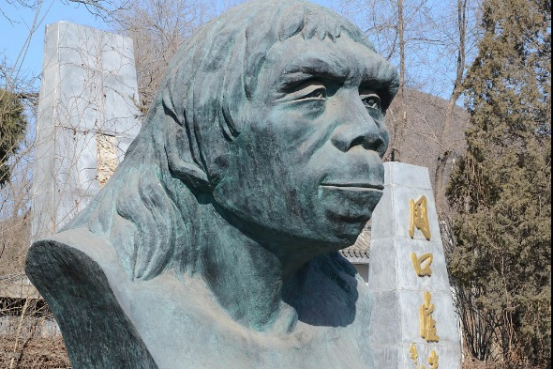
The controlled use of fire represents a monumental leap in human evolution, offering warmth, protection, and the ability to cook food, dramatically altering diet and social structures. Evidence from sites like Zhoukoudian, associated with Peking Man (Homo erectus pekinensis), has long suggested early fire use. However, advanced techniques are now revealing the nuanced wisdom involved. Chromatographic analysis of hearth remnants, for instance, can detect specific chemical fingerprints—such as lipids and charred organic matter from cooked food or wood fuel—that unequivocally point to sustained, intentional fire management rather than accidental wildfires.
- Early Evidence: Archeological layers at Zhoukoudian indicate repeated fire use over extended periods, suggesting fire was not just found but maintained and controlled.
- Benefits of Fire:
- Cooking: Made food more digestible, unlocking greater nutritional value, which is crucial for brain development.
- Warmth and Protection: Extended activity into colder periods and offered defense against predators.
- Social Hub: Hearths became central gathering points, fostering communal activities and social bonding.
- Chromatographic Insights: This analytical method distinguishes between organic residues from natural fires and those from controlled hearths, providing irrefutable proof of deliberate human activity.
Stone Tools and Daily Necessities: Insights from Olduvai Gorge
The development of stone tools, beginning millions of years ago, directly reflects the daily necessities and problem-solving capabilities of early hominins. Olduvai Gorge in Tanzania, often dubbed the “Cradle of Mankind,” has yielded a wealth of artifacts, including the earliest known stone tools (Oldowan industry). What’s truly revolutionary now is the application of big data and artificial intelligence to analyze micro-traces on these ancient tools, revealing intricate details about their specific uses.
Researchers are employing advanced imaging and computational techniques to study microscopic wear patterns, residues, and striations on tool surfaces. This “big data” approach allows for the categorization and interpretation of tool functions with unprecedented precision.
- Tool Typology: Early tools included choppers for breaking bones, flakes for cutting meat, and scrapers for processing hides, each designed for specific tasks.
- Micro-Trace Analysis: AI algorithms process vast datasets of microscopic images, identifying patterns indicative of use on different materials (e.g., bone, wood, plant fibers).
- Daily Life Reconstruction: These analyses paint a vivid picture of early hominin subsistence strategies, diet composition, and even social organization around resource acquisition. For instance, traces might indicate communal butchering or individual foraging efforts.
Unearthing Ancient Settlements: Nakhon Ratchasima’s Hidden Past
Beyond individual innovations, the formation of permanent or semi-permanent settlements signifies a major shift towards more complex social structures and agricultural practices. The recent discovery of an unknown ancient settlement above the existing city of Nakhon Ratchasima (Korat) in Thailand highlights the continuous unveiling of our shared urban heritage. Such discoveries are often made possible by remote sensing technologies like LiDAR (Light Detection and Ranging), which can penetrate dense vegetation to reveal subtle topographical changes indicative of ancient human activity.
The settlement’s layout, defensive structures, and evidence of water management systems offer critical clues about the community’s size, organization, and interaction with its environment. These findings contribute to a broader understanding of early urbanization in Southeast Asia, challenging previous timelines and models of societal development in the region.
- LiDAR Technology: This remote sensing method creates detailed 3D maps of the terrain, exposing ancient earthworks, roads, and settlement boundaries otherwise hidden.
- Urban Planning: The layout of the Nakhon Ratchasima settlement suggests deliberate planning, including possible residential zones, ceremonial areas, and agricultural plots.
- Societal Implications: The existence of such a structured settlement indicates a degree of social hierarchy, division of labor, and resource management far more advanced than previously assumed for the period.

Beyond Survival: Ancient Human Conflict and Healing
While innovations like fire and tools addressed fundamental survival needs, ancient human societies also grappled with complex social dynamics, including conflict and the quest for healing. Archaeological finds provide compelling evidence of both organized warfare and sophisticated medicinal practices, demonstrating the full spectrum of challenges and advancements faced by our ancestors.
Echoes of Ancient Warfare: Europe’s Oldest Battle
The discovery of the Tollense Valley Battlefield in northeastern Germany has dramatically reshaped our understanding of prehistoric conflict. Dating back approximately 3,000 years to the Bronze Age, this site provides compelling evidence of Europe’s oldest large-scale battle. Thousands of human remains, along with weapons and artifacts, tell a harrowing story of mass organized violence, challenging the long-held notion that large-scale warfare was exclusive to later, more complex civilizations.
Skeletal analyses reveal patterns of trauma from various weapons, including arrows, spears, and clubs, indicating a brutal engagement. The presence of individuals from diverse geographical origins, identified through isotopic analysis of teeth, suggests that this was not merely a local skirmish but potentially a conflict involving migrating groups or alliances across a wide region.
- Bronze Age Conflict: The Tollense Valley battle predates many historical accounts of large-scale European warfare, pushing back the timeline for organized combat.
- Evidence of Violence: Skeletal remains show clear signs of fatal injuries, including shattered skulls, impaled bones, and arrowheads embedded in torsos.
- Weaponry: Recovered artifacts include bronze and flint arrowheads, wooden clubs, and spear fragments, showcasing the diverse arsenal of the period.
- Societal Impact: This battle speaks to the pressures of resource competition, territorial disputes, or possibly even early forms of state-building and expansion.
The Dawn of Medicine: Plant Use in Moroccan Caves
Long before modern pharmacology, ancient humans were experimenting with and utilizing the medicinal properties of plants. A remarkable discovery in a Moroccan cave (Grotte des Pigeons, Taforalt) provides some of the earliest direct evidence for the use of plants as medicine, dating back between 15,000 and 12,000 years ago. The excavation of ancient human teeth and associated plant residues has revealed a sophisticated understanding of botanical properties.
Analysis of dental calculus (calcified plaque) on human remains showed traces of various plant species, many of which are known for their medicinal qualities today, such as mint, chamomile, and juniper. This suggests that these plants were not merely consumed for nutrition but possibly for their therapeutic effects, addressing issues like toothaches, infections, or digestive problems. This discovery pushes back the timeline for organized proto-medical practices and highlights the deep connection between early humans and their natural environment.
- Dental Calculus Analysis: Microscopic examination of ancient dental plaque can reveal dietary components and plant residues.
- Medicinal Plants: Specific plant remains identified possess known anti-inflammatory, antiseptic, or analgesic properties.
- Holistic Health: Beyond specific ailments, the use of these plants might have contributed to general hygiene or ritualistic practices, demonstrating a holistic approach to well-being.
- Ethnobotanical Roots: These findings lay the groundwork for understanding the deep historical roots of ethnobotany and traditional medicine.

Modern Techniques Revolutionizing Archaeological Discovery
The ability to uncover and interpret these profound insights into ancient human life relies heavily on the continuous evolution of scientific methodologies. Modern archaeology is increasingly interdisciplinary, integrating advanced analytical chemistry, computational power, and remote sensing to extract secrets from the past that were once unimaginable. These techniques move beyond mere excavation, offering a deeper, more nuanced understanding of prehistoric societies.
Chromatographic Analysis in Unraveling Ancient Practices
As seen with the Peking Man hearths, chromatographic analysis is a powerful tool in forensic archaeology. This technique separates complex mixtures into individual components, allowing scientists to identify specific organic molecules that provide unambiguous evidence of human activity. In the context of ancient hearths, it can detect molecular biomarkers like triterpenoids from wood smoke, fatty acids from animal fats, or even specific plant compounds, indicating what was burned or cooked.
Beyond hearths, chromatography can be applied to ancient pottery to identify residues of food or drink, or to soil samples to detect ancient latrines or activity areas. Its precision allows archaeologists to reconstruct dietary habits, processing techniques, and even the types of fuel used by our ancestors, offering a chemical fingerprint of their daily lives.
- Molecular Signatures: Identifies specific organic molecules left behind by human activity.
- Dietary Reconstruction: Reveals what early humans ate, how they processed food, and their cooking methods.
- Site Functionality: Helps delineate different activity zones within an ancient settlement based on chemical residues.
Leveraging Big Data and AI for Micro-Trace Analysis
The advent of big data analytics and artificial intelligence (AI) has transformed the study of archaeological artifacts, particularly in micro-trace analysis of tools. Traditional microscopic examination of tool wear is labor-intensive and subjective. AI-driven image recognition and machine learning algorithms can process vast numbers of microscopic images from stone tools, identifying and classifying wear patterns with unparalleled speed and consistency.
This allows researchers to build comprehensive databases of tool functions, cross-referencing patterns with experimental archaeology (replicating tool use) to confirm interpretations. The sheer volume of data processed by AI reveals subtle correlations and patterns that human observers might miss, offering a more robust and statistically significant understanding of how ancient tools were manufactured, used, and recycled. This approach moves archaeology into a new era of quantitative analysis, providing objective evidence for the daily necessities and technological prowess of early hominins.
- Automated Pattern Recognition: AI identifies and categorizes microscopic wear on tools, significantly speeding up analysis.
- Enhanced Objectivity: Reduces human bias in interpreting tool function, leading to more reliable conclusions.
- Predictive Modeling: Can infer tool use based on partial or degraded traces, expanding the scope of analysis.

Conclusion: The Enduring Legacy of Our Ancestors
The ongoing archaeological revolution, fueled by innovative scientific methods, continues to peel back the layers of time, revealing a human past far richer and more complex than previously imagined. From the strategic use of fire by Peking Man and the intricate tool systems of Olduvai Gorge to the organized warfare of the Bronze Age and the earliest forms of plant-based medicine, each discovery adds another vital piece to the grand mosaic of human evolution. These findings not only deepen our understanding of where we come from but also highlight the enduring ingenuity, adaptability, and resilience that define the human spirit across millennia. As technology advances, so too will our capacity to listen to the silent stories etched in the earth, ensuring that the legacy of our ancestors continues to inspire and inform our future.
Frequently Asked Questions (FAQ)
- Q1: How do archaeologists determine if ancient fire use was intentional?
- Archaeologists use advanced techniques like chromatographic analysis to detect specific chemical markers (e.g., lipids, charred organic compounds) in hearth sediments. These markers differ significantly from those produced by natural wildfires, indicating deliberate fuel selection and sustained heat consistent with human activity for cooking, warmth, or tool hardening.
- Q2: What is the significance of micro-trace analysis on stone tools from Olduvai Gorge?
- Micro-trace analysis, often enhanced by big data and AI, examines microscopic wear patterns and residues on stone tools. This allows researchers to precisely determine how tools were used (e.g., cutting meat, scraping hides, processing plants), offering detailed insights into the daily subsistence strategies, diet, and technological capabilities of early hominins millions of years ago, far beyond what simple visual inspection can reveal.
- Q3: What makes the Tollense Valley Battlefield unique in understanding ancient warfare?
- The Tollense Valley Battlefield provides the earliest direct and large-scale evidence of organized warfare in Europe, dating back 3,000 years to the Bronze Age. The sheer number of human remains with clear combat-related injuries, alongside diverse weaponry and evidence of participants from various regions, challenges previous assumptions about the scale and complexity of prehistoric conflict.
- Q4: How did ancient humans discover medicinal properties of plants?
- While direct observation of experimentation is impossible, archaeological evidence from sites like the Moroccan cave suggests ancient humans likely learned through empirical trial and error, observing the effects of various plants on ailments. The analysis of dental calculus, for example, reveals consistent consumption of plants known for their medicinal qualities, indicating intentional use rather than accidental ingestion.
- Q5: How does LiDAR technology contribute to discovering ancient settlements?
- LiDAR (Light Detection and Ranging) uses laser pulses to create highly detailed 3D maps of terrain. It can penetrate dense forest canopies, revealing subtle anthropogenic features on the ground that are invisible from the surface, such as ancient earthworks, irrigation canals, defensive structures, and building foundations, leading to the discovery of previously unknown settlements like the one near Nakhon Ratchasima.
Written By