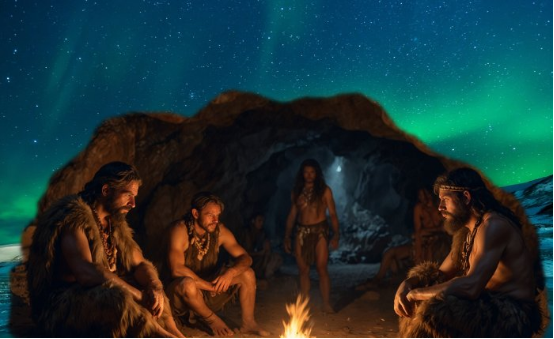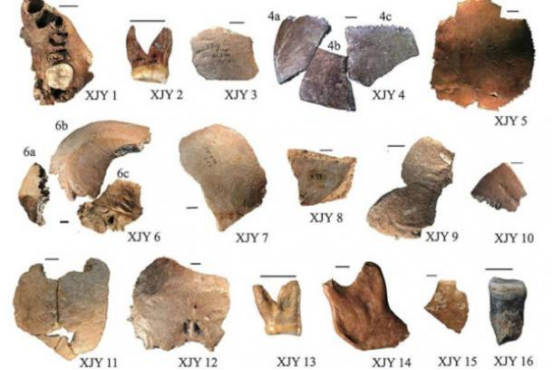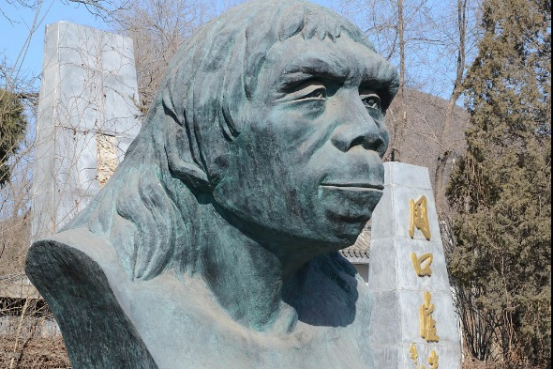
The story of human evolution is not a static timeline etched in stone but a dynamic, constantly evolving narrative. In recent years, a convergence of cutting-edge technologies in genetics, archaeology, and data analysis has shattered long-held theories about our ancestors. We are now uncovering a past that is far more intricate, diverse, and geographically widespread than ever conceived. Groundbreaking studies are revealing epic transcontinental migrations, identifying previously unknown “ghost” lineages within our DNA, and proving that early humans adapted to extreme environments like high-altitude plateaus and dense rainforests much earlier than thought. This guide synthesizes the latest revolutionary findings, providing a comprehensive look at how science is remapping our origins.
From analyzing DNA preserved in 400,000-year-old soil to using 3D morphometry to trace the subtle evolutionary shifts in skulls, researchers are assembling a richer, more nuanced picture of the human journey. These discoveries challenge linear models of evolution and instead point to a complex web of interactions, migrations, and interbreeding events among various hominin groups across the globe. We will explore the technologies driving this revolution, the specific discoveries that are changing the textbooks, and what they mean for our understanding of who we are and where we come from.
The DNA Revolution: Reading History from Soil and Bone
Perhaps the most significant force driving new discoveries in human evolution is the advancement in ancient DNA (aDNA) analysis. Scientists are no longer limited to the rare discovery of well-preserved bones. They can now extract genetic material from surprising sources, pushing back the timeline of our genetic history and uncovering populations that left no fossil record.
Ancient Soil DNA: The Sahara’s 400,000-Year-Old Secrets
A revolutionary technique is allowing scientists to extract and analyze DNA directly from sediment and rock layers. A landmark study in the Sahara Desert has successfully recovered a 400,000-year-old human genome from ancient soil found beneath rocks. This breakthrough is monumental because it bypasses the need for skeletal remains, which are exceptionally rare in acidic or harsh environments. The recovered genome provides an unprecedented glimpse into the deep history of hominins in Africa, a period from which fossils are scarce. It suggests a continuous human presence in regions that are now inhospitable desert, hinting at a much greener and more vibrant “Green Sahara” in the distant past. This method opens up vast new possibilities for exploring ancient human occupation sites worldwide where no bones have survived.
Genomic Sequencing and the Discovery of Unknown Lineages
Beyond soil, advanced genomic sequencing of modern and ancient human populations continues to reveal surprises. In a separate study, genetic analysis of populations in the Sahara Desert has uncovered a previously unknown human genetic lineage. This “ghost” lineage, which does not match any known ancient or modern human group, appears to have contributed to the genetic makeup of people living in the region today. The discovery implies that our family tree includes branches we have yet to identify, and that archaic hominins interbred with early modern humans in Africa, a phenomenon previously documented more extensively in Eurasia with Neanderthals and Denisovans. This finding complicates the “Out of Africa” model by suggesting a more complex web of interactions within the continent itself before the great migrations began.

Redrawing the Map: Unprecedented Human Migrations
Genomic data is not just identifying new groups; it’s also tracking their incredible journeys across the planet. The scale and timing of early human migrations are being revised, revealing a capacity for long-distance travel and adaptation that is nothing short of astonishing.
The 20,000-Kilometer Journey from Asia to South America
One of the most stunning revelations comes from a genomic study tracing the path of early peoples into the Americas. By comparing the genomes of ancient individuals, researchers have mapped an epic migration route spanning over 20,000 kilometers from Asia to South America. This journey was not a single, rapid event but likely occurred in waves, with populations moving, settling, and then continuing their southward expansion over thousands of years. The genetic markers show a clear trail, allowing scientists to reconstruct the routes and timing with greater precision. This research confirms the incredible resilience and navigational abilities of our ancestors, who traversed diverse and challenging terrains, from the frigid Bering Strait to the tropics of the Amazon.
Denisovans on the Plateau: Reshaping Asia’s Prehistory
The story of the Denisovans, a mysterious sister group to Neanderthals, continues to expand. Originally identified from a finger bone in a Siberian cave, new DNA discoveries are placing them in a completely different environment: the high-altitude Tibetan Plateau. The analysis of genetic material confirms that Denisovans were not just Siberian cave-dwellers but were widespread across Asia and, crucially, were adapted to low-oxygen, high-altitude environments. This has profound implications for the settlement of Asia, suggesting that as modern humans moved into the region, they interbred with Denisovans, acquiring genes that helped them survive in these challenging landscapes. This inherited genetic toolkit may have been critical for the successful colonization of the Tibetan Plateau by our own species.

Rethinking Lifestyles: Adapting to Diverse Environments
New evidence is forcing a major reassessment of where and how early humans lived. The traditional view of our ancestors as primarily savanna-dwellers is being replaced by a more flexible and adaptable image, with humans thriving in environments once thought to be off-limits.
150,000 Years in the African Rainforest: A New Timeline
A revolutionary study has provided definitive evidence that humans were living in African rainforests as far back as 150,000 years ago. This discovery pushes back the timeline for rainforest occupation by tens of thousands of years. It was long believed that rainforests were too difficult for early hunter-gatherers to exploit due to dense vegetation and scarce large game. However, archaeological findings, including specialized tools, indicate a long-term, stable occupation. This demonstrates that early Homo sapiens possessed a sophisticated level of adaptability and behavioral flexibility, developing unique strategies and technologies to thrive in these dense, humid environments. It suggests that our species’ ability to colonize every biome on Earth has very deep roots in our African homeland.
High-Altitude Adaptation and the Denisovan Legacy
The presence of Denisovans on the Tibetan Plateau is not just a migration story; it’s a tale of extreme environmental adaptation. The genetic variants that modern Tibetans possess for high-altitude survival are now known to have been inherited from Denisovans. This is a prime example of adaptive introgression, where beneficial genes are passed between hominin species. It shows that interbreeding wasn’t just a random event but a key evolutionary mechanism that provided modern humans with pre-packaged genetic solutions to new environmental challenges, accelerating our ability to colonize the planet.

A More Complex Family Tree: Integrating Morphological and Genetic Data
The final piece of the puzzle involves connecting the genetic revelations with the physical evidence from the fossil record. New analytical techniques are allowing scientists to extract more information from skulls and bones than ever before, corroborating and enriching the story told by DNA.
Three-Dimensional Skull Morphometry: Tracking Population Movements
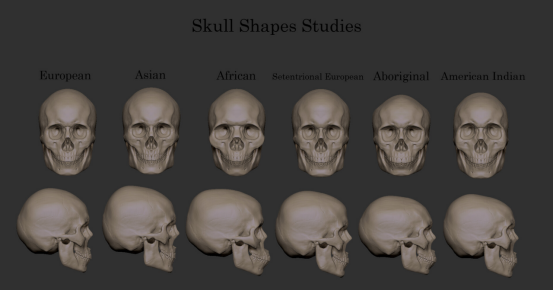
Three-dimensional skull morphometry is a powerful technique that uses advanced imaging and statistical analysis to capture and compare the subtle shape variations in hominin skulls. By creating detailed 3D models, researchers can quantify the relationships between different ancient populations with incredible precision. A recent large-scale study applied this method to skulls from multiple regions, revealing complex patterns of human evolution and migration. The data shows how different populations diverged, interacted, and blended over time. For example, it can help distinguish between local evolutionary changes and the arrival of new groups. This anatomical evidence provides a physical complement to the genetic data, often confirming the migration routes and population mixing events identified through DNA analysis.
Comparing Physical and Genetic Evidence
By integrating these two powerful lines of evidence, a more robust picture of our past emerges. The following table illustrates how these fields complement each other:
| Discovery Type | Genetic Evidence (aDNA) | Morphological Evidence (Skulls/Fossils) |
|---|---|---|
| Population Origins | Identifies unique lineages and ancestral components. | Shows physical similarities and differences between groups. |
| Migration Patterns | Tracks gene flow and population splits across continents. | Traces the geographic spread of specific anatomical traits. |
| Interbreeding Events | Directly detects archaic DNA (e.g., Denisovan) in the human genome. | Identifies “mosaic” fossils with a mix of archaic and modern traits. |
| Adaptation | Pinpoints specific genes for traits like high-altitude survival. | Shows skeletal changes related to environment or lifestyle. |
This integrated approach is essential for building a complete and accurate model of human evolution. The discovery of unknown lineages in the Sahara, for instance, is currently based on genetic data; the next major step would be to find fossil evidence, perhaps a skull, that can be analyzed using 3D morphometry to give a face to this “ghost” population.
Frequently Asked Questions (FAQ)
- Q1: What is ancient DNA (aDNA) and why is it so important?
- Ancient DNA is genetic material recovered from archaeological or paleontological specimens. Its importance lies in its ability to provide direct genetic information about past life forms, including extinct hominins like Neanderthals and Denisovans, as well as early modern humans. It allows scientists to reconstruct family trees, track migrations, identify interbreeding events, and understand genetic adaptations that are not visible in the fossil record alone.
- Q2: Who were the Denisovans?
- The Denisovans were an archaic human group, distinct from both Neanderthals and modern humans, who lived across a wide range of Asia. They are known almost entirely from genetic evidence, as very few physical fossils have been found. DNA analysis shows they interbred with the ancestors of modern humans in Asia, Oceania, and the Americas, contributing genes that, in some cases, helped our species adapt to new environments, such as high altitudes.
- Q3: How can scientists find human DNA in soil?
- Scientists can extract what is known as sedimentary ancient DNA (sedaDNA) from layers of soil and sediment. As organisms live and die in an environment, they shed cells containing DNA, which can become trapped and preserved in the soil for thousands of years. By collecting soil cores and using highly sensitive laboratory techniques, researchers can isolate and sequence this fragmented DNA, identifying the species—including humans—that once inhabited the area, even without any fossils.
- Q4: What does the discovery of an “unknown human lineage” in the Sahara mean?
- It means that the story of human evolution in Africa is more complex than a simple, linear progression to Homo sapiens. The discovery of this “ghost” lineage in the DNA of modern Saharan populations suggests that our ancestors in Africa co-existed and interbred with other, more archaic hominin groups that we have not yet identified in the fossil record. It mirrors the kind of interbreeding that occurred with Neanderthals and Denisovans in Eurasia, complicating our family tree.
- Q5: How does 3D skull morphometry work?
- Three-dimensional skull morphometry involves using CT scanners or laser surface scanners to create highly detailed digital models of skulls. Specialized software then places hundreds or thousands of digital landmarks on the model’s surface to capture its complex shape. By comparing the statistical patterns of these landmarks across many skulls, scientists can measure evolutionary relationships, population diversity, and subtle anatomical changes with a level of precision far beyond traditional caliper measurements.