Unearthing Large Human Ancestors in China
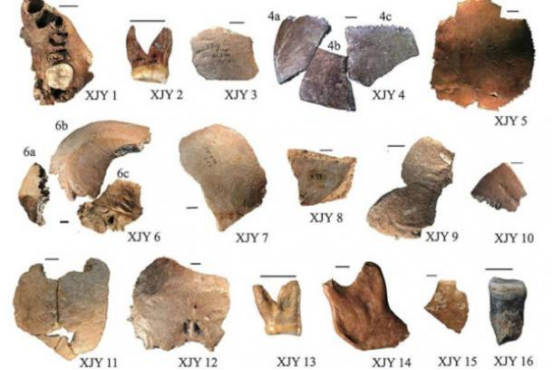
The landscape of human evolution has been fundamentally altered by the recent identification of fossil remains in China, suggesting the existence of a robust, large-bodied human ancestor. These findings challenge previous migration models and highlight the diversity of hominins that once inhabited the East Asian continent.
The Significance of Robust Skeletal Morphology
Paleoanthropologists have analyzed the structural integrity and dimensions of the discovered fossils. The physical traits observed—such as cranial capacity and bone density—indicate a species that had adapted to unique environmental pressures, potentially diverging from better-known lineages in Africa and Europe.
- Evolutionary Divergence: The specific skeletal markers suggest a specialized evolutionary path that allowed these ancestors to thrive in varied climates.
- Biological Adaptation: Large body mass often correlates with thermoregulation strategies in cooler, fluctuating environments, a key aspect of these findings.

Reconstructing the Hongshan Culture Individual
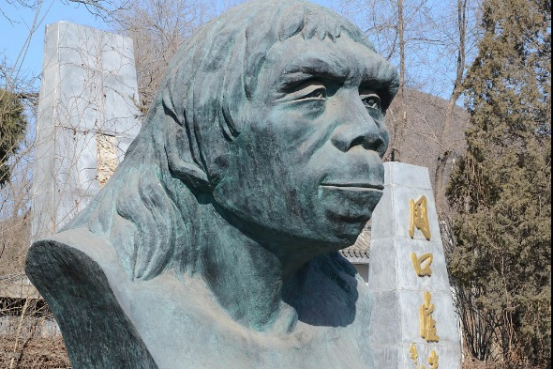
Bridging the gap between biological evolution and cultural history, researchers have successfully utilized forensic technology to reconstruct the face of an individual from the Hongshan Culture, dating back approximately 5,000 years. This project provides a tangible connection to the Neolithic ancestors of the region.
Methodology of Forensic Facial Reconstruction
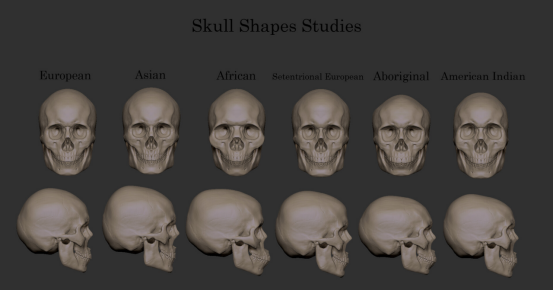
The reconstruction process integrates advanced 3D scanning and anatomical modeling. By analyzing the skull structure found at the archaeological site, scientists can map facial muscles and soft tissue depth to create a lifelike representation.
| Step | Technical Focus |
|---|---|
| Data Acquisition | CT scanning of the original skull |
| Anatomical Mapping | Application of tissue depth markers |
| Digital Rendering | Final artistic and scientific synthesis |

The Cultural Impact of Neolithic Discoveries
The Hongshan Culture is renowned for its sophisticated jade craftsmanship and complex social structures. Understanding the physical appearance of its people allows historians to better grasp the demographic makeup of early Chinese civilizations and their societal hierarchy.
Social Hierarchy and Biological Evidence
By comparing the burial sites and the physiological traits of the individuals discovered, researchers are uncovering evidence of social stratification. The health, nutrition, and physical development of these individuals, as evidenced by their skeletal remains, speak volumes about the stability of the Hongshan agricultural systems.

Future Directions in Chinese Paleoanthropology
As technology continues to advance, the integration of ancient DNA (aDNA) analysis and improved dating techniques will be critical. The synergy between fossil discovery and high-tech reconstruction ensures that our narrative of human history remains dynamic and evidence-based.
Frequently Asked Questions (FAQ)
- Q1: What makes the Hongshan Culture significant in human history?
- The Hongshan Culture is a critical Neolithic civilization that represents the early development of complex social structures, ritualistic jade carving, and sophisticated agricultural practices in Northeast China.
- Q2: How accurate are the facial reconstructions of ancient individuals?
- Modern facial reconstruction combines anatomical science with forensic expertise. While not a photograph, the method is highly accurate in depicting the general facial structure and features based on the underlying bone morphology.
- Q3: Why are the large-bodied ancestral fossils in China important?
- These fossils are important because they demonstrate a higher level of diversity in human evolution than previously recognized, proving that East Asia was a significant hub for hominin development.
- Q4: What tools are used to date these ancient findings?
- Researchers typically employ a combination of Radiocarbon dating for organic matter, Optically Stimulated Luminescence (OSL) for sediment, and stratigraphic analysis to establish an accurate timeline.