The Most Iconic Maya Ruins in Mexico
The Maya civilization left behind an architectural legacy that spans across the Yucatan Peninsula and beyond. Visiting these sites offers a profound glimpse into a society that mastered astronomy, mathematics, and urban planning long before European contact. From the coastal cliffs of Tulum to the sprawling jungle complexes of Palenque, each site tells a unique story of power, religion, and survival.
Chichén Itzá: The Astronomical Marvel
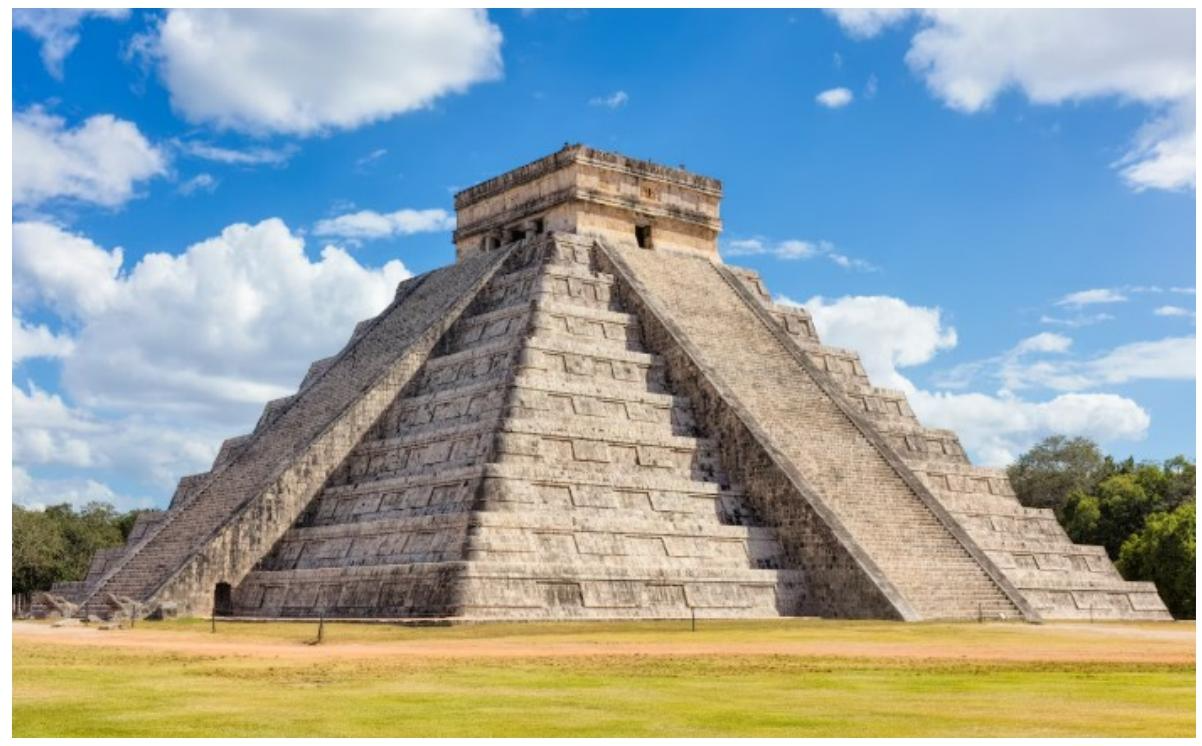
As one of the New Seven Wonders of the World, Chichén Itzá represents the pinnacle of Maya-Toltec architecture. The site is dominated by the Temple of Kukulcan, a pyramid designed with such precision that it acts as a solar calendar.
- The Equinox Phenomenon: During the spring and autumn equinoxes, the play of light and shadow creates an illusion of a serpent slithering down the pyramid’s steps.
- Acoustic Engineering: The Great Ball Court exhibits remarkable acoustics, where a whisper at one end can be heard clearly at the other, highlighting the advanced engineering capabilities of the Maya.
Tulum: The Coastal Fortress
Perched on a 12-meter cliff overlooking the Caribbean Sea, Tulum served as a vital trade hub and a defensive stronghold. Unlike the inland cities, its location suggests a deep connection to maritime commerce.

Uncovering the Mysterious Maya Underground Chambers
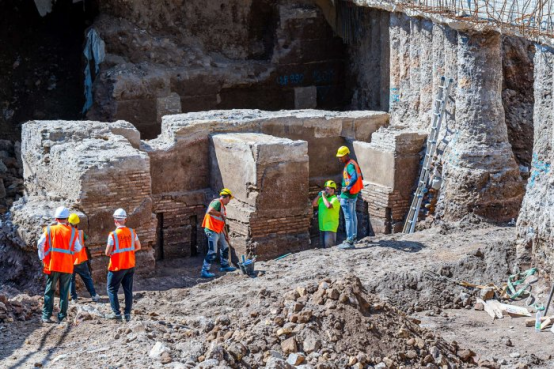
Beyond the towering pyramids lies a darker, more secretive layer of Maya culture: the subterranean chambers and cenotes. These underground spaces were not merely water sources; they were portals to the underworld, or Xibalba, where the Maya performed complex rituals to communicate with their gods.
The Significance of Cenotes
Cenotes are natural limestone sinkholes filled with groundwater. For the Maya, they were the lifeblood of their civilization and the primary threshold to the spirit realm.
- Ritual Offerings: Archaeological excavations have retrieved gold, jade, and human remains from the depths of these chambers, indicating their use in sacrificial ceremonies.
- Water Management: The intricate network of caves allowed the Maya to survive in the arid karst landscape of the Yucatan, where surface water is scarce.

Comparative Analysis of Archaeological Sites
To better understand the diversity of Maya settlements, we have categorized the primary sites based on their historical function and architectural style.
| Site Name | Primary Function | Key Feature |
|---|---|---|
| Chichén Itzá | Political/Religious Capital | Temple of Kukulcan |
| Tulum | Trade/Defense | Coastal Cliff Position |
| Palenque | Royal Administration | Intricate Stucco Carvings |

Advanced Strategies for Site Exploration
Visiting Maya ruins requires careful planning to ensure both safety and a high-quality experience. The tropical climate and the remote nature of these sites demand preparation.
Best Practices for Tourists
- Timing: Arrive at sunrise to avoid the peak heat and the massive crowds that arrive by midday.
- Guides: Hiring a certified local guide is essential for understanding the hieroglyphic inscriptions and the subtle architectural nuances that are otherwise missed.
- Conservation: Always adhere to “leave no trace” principles to protect these fragile heritage sites for future generations.
Frequently Asked Questions (FAQ)
- Q1: Why were many Maya ruins built near underground water sources?
- The limestone geology of the Yucatan Peninsula lacks surface rivers. Cenotes provided the only reliable water supply, making them central to urban development and spiritual life.
- Q2: Is it safe to explore the underground chambers?
- While many cenotes are open for swimming and diving, official sites are heavily monitored. Never attempt to enter restricted caves without professional guides and proper safety equipment.
- Q3: What is the best time of year to visit Mexico’s Maya ruins?
- The months between November and April offer the most temperate weather, avoiding the extreme humidity of the summer months and the peak of hurricane season.
- Q4: How do scientists determine the age of these ruins?
- Researchers utilize a combination of radiocarbon dating, analysis of ceramic typologies, and the decoding of stelae (stone slabs) that record specific historical dates in the Long Count calendar.