The Philosophical Foundations of Eastern Thought
The “Three Teachings” (San Jiao) of China—Taoism, Confucianism, and Buddhism—have fundamentally shaped the cultural, ethical, and spiritual landscape of East Asia for millennia. While they often overlap in practice, their origins and ultimate objectives differ significantly.
The Taoist Focus on Nature
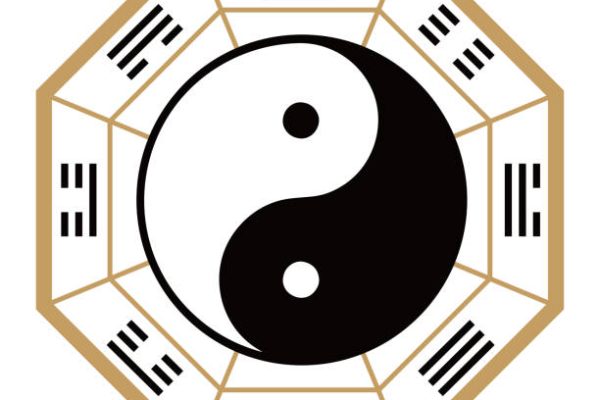
Taoism, rooted in the teachings of Laozi, emphasizes living in harmony with the “Tao,” or the natural way of the universe. It advocates for simplicity, spontaneity, and “Wu Wei” (non-action or effortless action).
Confucianism and Social Order
Confucianism is primarily a socio-political philosophy. It focuses on the importance of family, filial piety, social hierarchy, and virtuous governance to maintain harmony in the human world.

Comparative Analysis of the Three Traditions
Understanding these systems requires looking at their core target: the self, the community, or the cosmos.
| Tradition | Primary Focus | Key Goal |
|---|---|---|
| Taoism | Cosmos/Nature | Alignment with the Tao |
| Confucianism | Society/Ethics | Social Order and Harmony |
| Buddhism | Mind/Suffering | Enlightenment and Nirvana |
The Buddhist Perspective on Suffering
Originating in India, Buddhism entered China and adapted to local customs. Its core tenets revolve around the Four Noble Truths and the Eightfold Path, aiming to end the cycle of suffering (Samsara) through mindfulness and detachment.

Synthesis and Practical Application
In modern practice, these three systems are often synthesized. A common saying suggests that a person may be a “Confucian in the office, a Taoist in the home, and a Buddhist at death.” This illustrates how each provides tools for different aspects of human existence.
Expert Advice for Beginners
- Study the Tao Te Ching for understanding the flow of nature.
- Read the Analects of Confucius to grasp the importance of interpersonal relationships.
- Practice meditation to gain insight into the Buddhist concept of emptiness.
Frequently Asked Questions (FAQ)
- Is Buddhism a religion or a philosophy?
- Buddhism is often classified as both. It provides a philosophical framework for understanding reality and a religious structure for spiritual practice and ritual.
- How do these traditions handle death?
- Taoism focuses on returning to the Tao; Confucianism emphasizes the legacy of ancestors; Buddhism seeks liberation from the cycle of rebirth.
- Can you follow all three at once?
- Yes, in many Asian cultures, these traditions are complementary rather than mutually exclusive, addressing different life domains.
- What is the main difference between Taoism and Confucianism?
- Taoism advocates for spontaneity and minimal interference with nature, whereas Confucianism advocates for structure, ritual, and societal responsibility.