The Foundations of Taoist Teachings on the Body and Health
Taoism presents a profoundly holistic paradigm where the human body is not merely a biological machine, but a miniature universe—a microcosm reflecting the macrocosmic forces of nature. This foundational philosophy dictates that true health is achieved only when an individual aligns their internal physical and spiritual state with the external rhythms of the natural world, known as the Tao. By observing the effortless flow of nature, Taoist practitioners have spent millennia mapping the intricate relationships between physical vitality, emotional stability, and spiritual longevity.
At the core of this worldview is the rejection of the mind-body dualism commonly found in Western philosophy. Instead, Taoism posits that physical ailments are intrinsically linked to energetic blockages and emotional disturbances. To heal the body, one must simultaneously address the mind and the spirit. This interconnected approach forms the bedrock of all subsequent Taoist health practices, from dietary guidelines and herbal remedies to complex internal alchemy and meditative movements.
The Three Treasures: Jing, Qi, and Shen
To understand the Taoist approach to the body, one must first master the concept of the Three Treasures (San Bao). These are the primary energetic substances that sustain human life, and their cultivation is the ultimate goal of all Taoist health regimens.
- Jing (Essence): Deeply rooted in the kidneys, Jing is the fundamental biological essence of the body. It governs growth, reproduction, and cellular regeneration. Taoists believe that we are born with a finite amount of prenatal Jing, which must be fiercely protected through proper rest, balanced sexual activity, and mindful living to prevent premature aging.
- Qi (Vital Energy): The dynamic life force that animates the body. Qi is synthesized daily from the air we breathe and the food we consume. It circulates constantly, defending the body against external pathogens and powering the internal organs.
- Shen (Spirit/Mind): Residing in the heart, Shen represents our consciousness, mental clarity, and spiritual presence. A calm, well-nourished Shen manifests as bright eyes, clear thinking, and emotional resilience.
When these three treasures are abundant and flowing harmoniously, the practitioner experiences radiant health and extended longevity. Conversely, the depletion of any single treasure initiates a cascade of physical and psychological deterioration.

The Symbiotic Relationship Between Taoism and Traditional Chinese Medicine
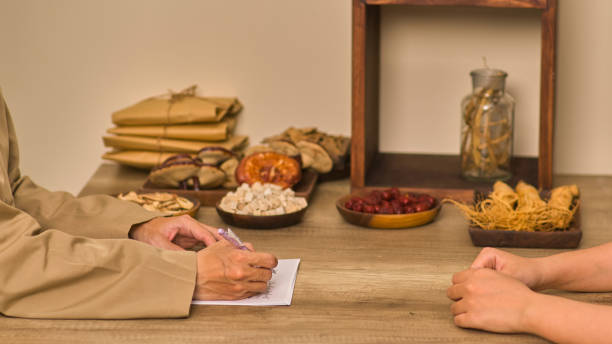
Traditional Chinese Medicine (TCM) and Taoism are inextricably linked, sharing the same cosmological roots and philosophical vocabulary. While Taoism provides the spiritual and theoretical framework, TCM serves as the practical, clinical application of these principles. Historically, many of the greatest TCM physicians were also devoted Taoist monks and hermits who developed acupuncture, herbal medicine, and dietary therapies through centuries of deep meditation and empirical observation.
The defining characteristic of this symbiotic relationship is the concept of preventative medicine. In the Taoist tradition, waiting until a disease has fully manifested before treating it is likened to digging a well only after one has become thirsty. TCM utilizes Taoist diagnostic methods—such as pulse reading, tongue examination, and facial diagnosis—to detect subtle energetic imbalances long before they materialize as cellular pathology.
Yin and Yang in Clinical Practice
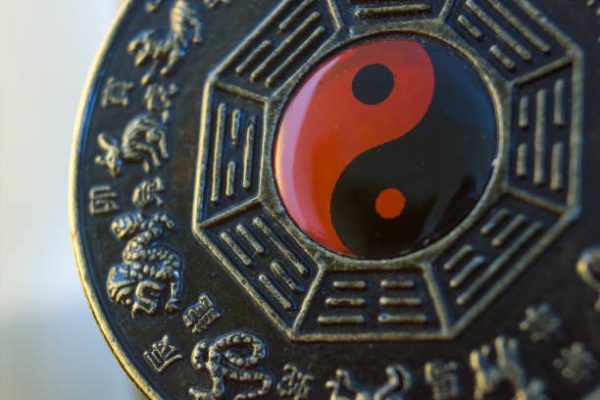
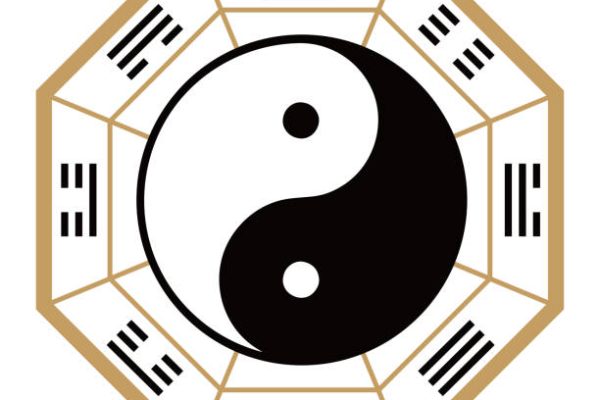
The dynamic interplay of Yin and Yang is the central diagnostic lens through which TCM views the human body. Health is defined as a dynamic equilibrium between these two opposing yet complementary forces.
Yin represents the cooling, nourishing, resting, and substantive aspects of the body (such as blood and bodily fluids). Yang represents the warming, activating, transforming, and energetic aspects (such as metabolic heat and nerve impulses). A skilled TCM practitioner evaluates whether a patient is suffering from an excess or deficiency of either force. For example, a deficiency in Yin may lead to “empty heat,” manifesting as night sweats, insomnia, and anxiety—conditions frequently treated with cooling herbs and grounding acupuncture points.

Understanding Qi, Blood, and Meridians in Taoist Practice
In the framework of Taoist medicine, the physiological functions of the body are governed by a highly sophisticated network of energetic pathways and vital substances. The most critical of these are Qi, Blood (Xue), and the Meridians (Jingluo). Understanding how these elements interact is essential for anyone seeking to utilize TCM therapies or engage in Taoist internal martial arts like Tai Chi and Qigong.
There is a famous TCM axiom: “Qi is the commander of Blood, and Blood is the mother of Qi.” This beautifully encapsulates their interdependent relationship. Qi provides the motive force necessary to push Blood through the vessels. Without Qi, Blood would stagnate. Conversely, Blood provides the material foundation and nourishment that anchors Qi. Without Blood, Qi would float aimlessly and dissipate, leading to severe anxiety or manic states.
The Meridian Network (Jingluo)
The Meridians are the invisible energetic highways that traverse the body, connecting the internal organs to the extremities, skin, and sensory organs. They are the conduits through which Qi and Blood flow.
| Meridian Category | Function and Characteristics | Associated Taoist Practice |
|---|---|---|
| The 12 Primary Meridians | Correspond to the specific internal organs (e.g., Liver, Heart, Spleen). They govern daily physiological functions and emotional processing. | Acupuncture, Acupressure, and Medical Qigong target these lines to clear daily blockages. |
| The 8 Extraordinary Vessels | Act as deep reservoirs of Jing and Qi. They do not connect directly to organs but regulate the 12 primary meridians, absorbing excess energy and replenishing deficiencies. | Advanced Neidan (Internal Alchemy) and Microcosmic Orbit meditation specifically cultivate these vessels. |
When trauma, poor diet, or chronic stress constricts these meridians, the resulting stagnation causes pain and disease. Therapies such as acupuncture, cupping, and Gua Sha are mechanically designed to break up this stagnation, restoring the smooth, unimpeded flow of vital energy throughout the system.

Core Taoist Meditation and Sitting Techniques
Meditation is the primary vehicle through which Taoist practitioners cultivate their Three Treasures, quiet the mind, and align with the Tao. Unlike some contemplative traditions that focus solely on transcending the physical form, Taoist meditation is deeply somatic. It requires an acute awareness of the body’s internal landscape, utilizing physical posture as the foundation for spiritual expansion.
The most fundamental practice is Jingzuo (Quiet Sitting). This technique emphasizes establishing a stable, rooted physical posture to allow the nervous system to completely down-regulate. The practitioner typically sits cross-legged on a cushion, ensuring the spine is perfectly erect but not rigid, allowing the structural bones to support the body’s weight rather than the muscles. The chin is slightly tucked to open the jade pillow at the base of the skull, and the tip of the tongue rests gently on the roof of the mouth to connect the energetic circuits of the front and back body.
Zuowang: Sitting and Forgetting
As the practitioner advances beyond basic quiet sitting, they encounter the profound practice of Zuowang, translated as “Sitting and Forgetting.” This is a state of deep meditative absorption where the boundaries of the ego begin to dissolve.
- Releasing Sensory Attachment: The practitioner systematically withdraws their attention from external sensory inputs—sounds, sights, and physical sensations—allowing them to pass through consciousness without attachment or judgment.
- Dissolving the Ego: Unlike analytical meditation, Zuowang requires the relinquishment of intellectual striving. The goal is to forget one’s identity, social roles, and personal narratives.
- Merging with the Tao: In the emptiness created by forgetting, the practitioner experiences a profound unity with the underlying fabric of reality, achieving a state of “wu-wei” (effortless action) within the mind.
This practice is not about becoming unconscious; rather, it is about cultivating a state of pure, luminous awareness that is untethered from the chaotic fluctuations of everyday thought.

Advanced Internal Alchemy: Neidan and Breathwork
For those who have mastered the foundational sitting techniques, Taoism offers a highly sophisticated system of esoteric practice known as Neidan (Internal Alchemy). While early Taoists experimented with Waidan (External Alchemy) by ingesting rare herbs and minerals to achieve immortality, the focus eventually shifted entirely inward. Neidan uses the practitioner’s own body as the cauldron, utilizing breath, intention, and visualization to refine the Three Treasures.
The core mechanism of Neidan is the transmutation of energy. The practitioner uses specialized breathing techniques to gather Jing in the lower Dantian (the energetic center located just below the navel). Through sustained focus and deep, diaphragmatic breathing, this Jing is heated and refined into Qi. The Qi is then guided up the spine to nourish the brain, where it is further refined into Shen (Spirit), ultimately returning to the state of pure emptiness (Wuji).
Embryonic Breathing and the Microcosmic Orbit
Breathwork is the bellows that drives the alchemical fires of Neidan. Taoist breathwork is characterized by its subtlety and depth, aiming to return the practitioner to the state of a fetus in the womb.
Embryonic Breathing (Tai Xi) requires the breath to become so fine, slow, and deep that it is almost imperceptible. The abdomen expands gently on the inhale and retracts on the exhale, massaging the internal organs and stimulating the vagus nerve, which profoundly calms the central nervous system. Once the breath is regulated, the practitioner guides the generated Qi through the Microcosmic Orbit (Xiao Zhou Tian). This involves circulating energy up the Governing Vessel along the spine to the crown of the head, and down the Conception Vessel along the front midline of the body, creating a continuous loop of vital energy that heals and fortifies the entire system.

Integrating Yoga and Taoism for Trauma Recovery
In the modern era, the ancient principles of Taoism are increasingly being integrated with other somatic disciplines, most notably Yoga, to create powerful modalities for trauma recovery. Both Yoga and Taoist practices recognize that psychological trauma is not just a mental phenomenon; it is deeply encoded in the physical tissues, manifesting as chronic muscle tension, disrupted breathing patterns, and a dysregulated nervous system.
When individuals experience severe trauma, their “fight or flight” sympathetic nervous system becomes locked in an overactive state. The holistic combination of Yoga’s deep fascial stretching and Taoism’s energetic cultivation provides a safe, structured pathway to release this trapped survival energy. By focusing on mindful movement and breath synchronization, practitioners can bypass the analytical mind and communicate directly with the autonomic nervous system.
Somatic Healing Mechanisms
The integration of these two ancient systems offers multi-dimensional healing benefits:
- Grounding and Centering: Taoist practices heavily emphasize rooting the energy in the lower Dantian and the feet. For trauma survivors who frequently dissociate or feel disconnected from their bodies, this energetic grounding provides a crucial sense of safety and physical presence.
- Releasing Fascial Armor: Yoga postures (Asanas), particularly Yin Yoga which is heavily influenced by TCM meridian theory, target the deep connective tissues. Holding these postures allows the physical armor built up from trauma to slowly melt, releasing the corresponding emotional blockages.
- Restoring the Vagal Tone: The slow, rhythmic diaphragmatic breathing shared by both Yoga and Taoist Qigong directly stimulates the vagus nerve, signaling to the brain that the environment is safe, thereby activating the parasympathetic “rest and digest” response.

Practical Applications: Welcoming Veterans Back to College Life
The profound healing capabilities of integrated Yoga and Taoist practices are demonstrating remarkable efficacy in highly specific, high-stress modern scenarios—such as the transition of military veterans into civilian and academic life. Returning to college can be an incredibly jarring experience for veterans. The shift from a hyper-structured, high-stakes military environment to the unstructured, socially complex world of a university campus often triggers anxiety, isolation, and symptoms of Post-Traumatic Stress Disorder (PTSD).
Traditional academic support systems often fall short because they address only the cognitive and administrative challenges of the transition. However, pioneering programs on college campuses are now utilizing the somatic tools of Yoga and Taoist meditation to bridge this gap, offering veterans practical, self-directed methods for emotional regulation and cognitive focus.
Building Resilience Through Ancient Techniques
Applying these practices in a university setting provides veterans with an internal toolkit that empowers them to navigate academic pressures successfully. The structural discipline of Yoga appeals to the military mindset, while the internal flow of Taoist meditation provides the missing piece of deep restoration.
Through dedicated campus programs, veterans are taught how to use Taoist breathwork before exams to combat test anxiety and hyperarousal. They utilize Jingzuo (quiet sitting) in dormitories or libraries to improve concentration and memory retention. Furthermore, group Yoga and Qigong classes foster a non-verbal sense of community and shared experience, breaking down the profound isolation many veterans feel among traditional students. By mastering their internal Qi and learning to consciously down-regulate their nervous systems, veterans are not just surviving the transition to college life—they are reclaiming their health, their focus, and their future.
Frequently Asked Questions (FAQ)
- What is the difference between Qi and Blood in Traditional Chinese Medicine?
- In TCM, Qi is the invisible, dynamic vital energy that provides the motive force for all bodily functions. Blood (Xue) is the dense, material substance that nourishes and moistens the body’s tissues. They are entirely interdependent: Qi moves the Blood, preventing stagnation, while Blood nourishes the organs that produce Qi and provides a physical anchor for it.
- Can beginners practice Neidan (Internal Alchemy)?
- While beginners can learn the foundational concepts of Neidan, true alchemical practice requires a solid foundation in basic meditation (Jingzuo) and breath regulation. Without first clearing physical blockages and learning to quiet the mind (Zuowang), attempting advanced energy circulation can lead to energetic imbalances known as “Qi deviation.” It is highly recommended to study under a qualified teacher.
- How does Taoist meditation differ from mindfulness meditation?
- While both emphasize present-moment awareness, Taoist meditation is deeply somatic and energetically focused. It involves specific physical postures to align the meridian system, specialized breathing techniques to cultivate Jing and Qi in the lower Dantian, and the ultimate goal of harmonizing the body’s internal energy with the macrocosmic forces of nature, rather than solely focusing on mental observation.
- Why are Yoga and Taoist practices effective for veterans with PTSD?
- PTSD fundamentally dysregulates the autonomic nervous system, trapping the body in a constant state of hyperarousal (fight or flight). Yoga and Taoist practices directly intervene at the somatic level. Through deep fascial stretching, focused breathwork, and energetic grounding, these practices stimulate the vagus nerve, bypassing the analytical mind to manually switch the nervous system back into a state of safety and rest.
- What does it mean to “ground” energy in the lower Dantian?
- The lower Dantian is an energetic center located about two inches below the navel, considered the body’s center of gravity and the primary reservoir for physical vitality (Jing and Qi). “Grounding” energy means using intention and deep abdominal breathing to draw scattered, anxious energy down from the head and chest into this center, resulting in a profound sense of physical stability, emotional calm, and mental clarity.