The landscape of Southeast Asia is defined by its rapid urbanization and the meteoric rise of its capital cities. Among these, Kuala Lumpur and Manila stand out as primary examples of urban evolution. While their origins differ—one born from the mud of tin mines and the other from the strategic maritime interests of colonial empires—both have navigated the complexities of colonization, war, and industrialization to emerge as dominant global players. This pillar page provides an exhaustive analysis of their developmental trajectories, highlighting the socio-economic forces that transformed these settlements into the bustling metropolises they are today.
Historical Foundations: From Tin Mines and Colonial Outposts
The birth of Kuala Lumpur and Manila can be traced back to specific geographical advantages that attracted early settlers and foreign interests. Understanding these foundations is crucial to grasping the modern layout and cultural diversity of these cities.
Kuala Lumpur’s Tin Mining Origins
Kuala Lumpur, which literally translates to “muddy confluence,” began its journey in 1857 at the junction of the Klang and Gombak rivers. Unlike many ancient Asian capitals, it was not founded by royalty but by 87 Chinese prospectors sent by Raja Abdullah to search for tin. The conditions were brutal; within a month, most of the original party had succumbed to malaria. However, the discovery of rich tin deposits in Ampang ensured the settlement’s survival. The early years were marked by the leadership of Yap Ah Loy, the third Kapitan China, who was instrumental in rebuilding the town after the disastrous Selangor Civil War and various fires and floods.
Manila’s Strategic Position as the Pearl of the Orient
In contrast, Manila’s history is deeply rooted in maritime trade. Long before the Spanish arrival, the area was a thriving Muslim settlement known as Maynila, ruled by Rajah Sulayman. In 1571, Miguel López de Legazpi established the Spanish city of Manila, recognizing its potential as a gateway for the Galleon Trade between Acapulco and China. This era earned Manila the title “Pearl of the Orient,” as it became a melting pot of Hispanic, Chinese, and indigenous cultures, centered within the fortified walls of Intramuros.
Colonial Legacies and Architectural Transformations
Colonial rule significantly reshaped the physical and social structures of both cities, leaving behind a legacy that is still visible in their contemporary skylines and administrative systems.
The British Influence on Kuala Lumpur
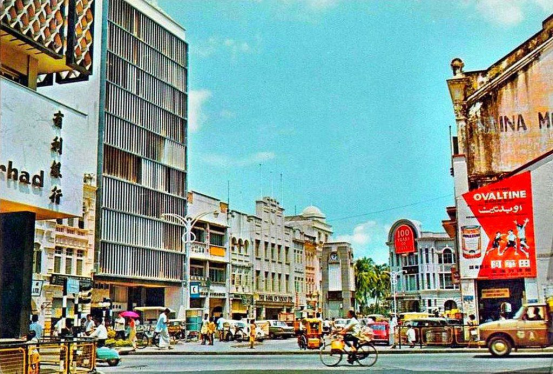
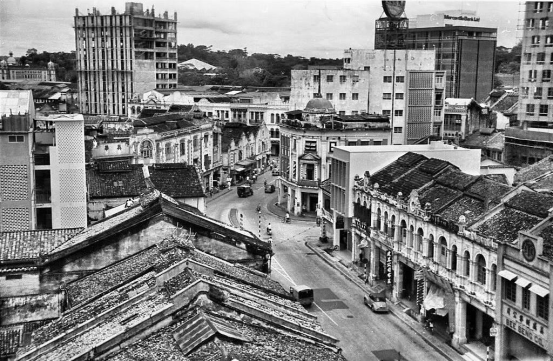
In 1880, the British colonial administration moved the capital of Selangor from Klang to Kuala Lumpur. This shift initiated a period of systematic urban planning. Sir Frank Swettenham, the British Resident, mandated that buildings be constructed of brick and tile rather than wood and thatch to prevent fires. This led to the creation of the iconic Moorish-style architecture seen in the Sultan Abdul Samad Building. The British also introduced the “Garden City” concept, integrating green spaces like the Lake Gardens into the urban core to balance the growing industrial activity.
Spanish and American Imprints on Manila
Manila’s architecture reflects a dual colonial heritage. The Spanish era left behind Baroque churches and the stone fortifications of Intramuros. Following the 1898 Treaty of Paris, the United States took control, introducing Neoclassical architecture and the Burnham Plan. Daniel Burnham, a famed American urban designer, envisioned Manila as a “Paris on the Pasig,” proposing wide boulevards, grand government buildings, and a system of parks that sought to modernize the city while maintaining its tropical aesthetic.
| Feature | Kuala Lumpur (British Era) | Manila (Spanish/American Era) |
|---|---|---|
| Primary Style | Indo-Saracenic / Moorish | Spanish Baroque / Neoclassical |
| Key Material | Red Brick and White Plaster | Adobe Stone / Reinforced Concrete |
| Urban Focus | Administrative & Mining Hub | Trade & Maritime Gateway |
Post-War Resilience and Economic Modernization
The mid-20th century presented significant challenges, particularly the devastation of World War II, which forced both cities to reinvent themselves during the decolonization era.
Rebuilding Manila After World War II
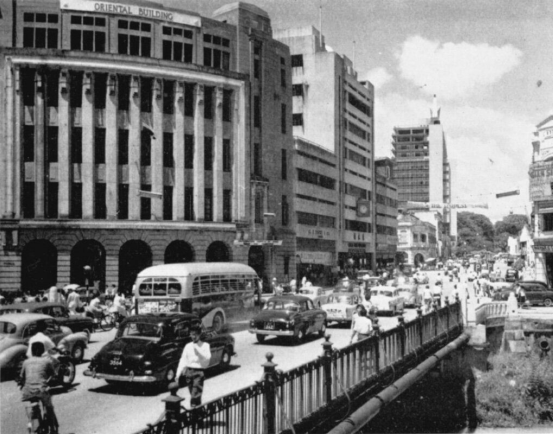
Manila suffered immensely during the 1945 Battle of Manila, becoming the second most devastated Allied city after Warsaw. The destruction of Intramuros and the legislative buildings necessitated a massive reconstruction effort. In the post-war decades, the city expanded rapidly, leading to the creation of Metro Manila in 1975—a metropolitan area encompassing 17 cities and municipalities. This expansion was driven by a shift toward industrialization and the rise of commercial districts like Makati, which eventually superseded the old downtown areas in economic importance.
Kuala Lumpur’s Path to Independence
For Kuala Lumpur, the post-war period was defined by the struggle for independence (Merdeka). In 1957, the declaration of independence was made at Stadium Merdeka, signaling the city’s new role as the capital of a sovereign nation. The subsequent decades saw the implementation of the New Economic Policy (NEP), which aimed to restructure the economy and reduce poverty. This era catalyzed the transformation of KL from a colonial town into a modern financial center, characterized by high-rise developments and the diversification of its economic base away from tin and rubber.
Iconic Landmarks and Modern Infrastructure
The modern identity of these cities is often distilled into their architectural achievements and their ability to host global business operations.
The Iconography of the Petronas Twin Towers
In the 1990s, under the leadership of Tun Dr. Mahathir Mohamad, Kuala Lumpur underwent a radical transformation. The centerpiece of this era was the Petronas Twin Towers, which held the title of the world’s tallest buildings from 1998 to 2004. Standing at 451.9 meters, these towers symbolize Malaysia’s aspirations to reach “Vision 2020” status. The surrounding Kuala Lumpur City Centre (KLCC) development integrated world-class retail, a sprawling park, and a convention center, effectively shifting the city’s gravity toward a new, high-tech core.
Manila’s Emergence as a Global BPO Hub
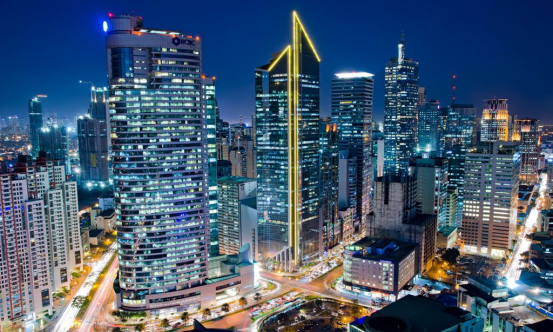
Manila’s modern growth has been significantly fueled by the Business Process Outsourcing (BPO) industry. Cities within the metro area, such as Taguig (home to Bonifacio Global City) and Quezon City, have become nerve centers for global tech and service firms. Bonifacio Global City (BGC), in particular, represents the new face of Manila: a highly organized, pedestrian-friendly, and technologically advanced district that stands in stark contrast to the congested historic districts, showcasing the city’s capacity for world-class urban development.
- Kuala Lumpur: Focuses on Islamic finance, tourism, and high-end manufacturing.
- Manila: Dominates in service exports, remittances, and retail consumption.
- Connectivity: Both cities have invested heavily in rail transit (LRT/MRT) to combat urban sprawl.
Future Challenges: Sustainability and Urban Growth
As Kuala Lumpur and Manila continue to grow, they face the common challenges of 21st-century megacities, including climate change, traffic congestion, and social inequality.
For Manila, the threat of rising sea levels and frequent typhoons has made disaster resilience a top priority. Government initiatives are increasingly focused on flood control systems and sustainable housing. Kuala Lumpur, meanwhile, is grappling with the need for better “last-mile” connectivity and the preservation of its remaining green lungs amidst relentless property development. Both cities are looking toward “Smart City” technologies—using data and IoT to manage traffic, waste, and energy consumption—to ensure their long-term viability as international hubs.
Frequently Asked Questions (FAQ)
- Q1: What was the primary reason for the founding of Kuala Lumpur?
- Kuala Lumpur was founded primarily as a tin-mining settlement. In 1857, Chinese prospectors discovered rich tin deposits at the confluence of the Klang and Gombak rivers, leading to the rapid development of a trading post that eventually became the capital of Malaysia.
- Q2: Why was Manila historically referred to as the “Pearl of the Orient”?
- Manila earned this title due to its immense beauty and its strategic role as a central hub for the Spanish Galleon Trade. It was the primary link between Asia and the Americas, facilitating the exchange of silk, spices, and silver, which made it one of the most prosperous cities in the region during the colonial era.
- Q3: Who was Yap Ah Loy, and what was his role in KL’s history?
- Yap Ah Loy was the third Kapitan China of Kuala Lumpur and is often considered the city’s founding father. He provided crucial leadership during the city’s early years, overseeing its reconstruction after civil wars and natural disasters, and transitioning the local economy from a chaotic mining camp to a structured commercial center.
- Q4: How did World War II impact the urban development of Manila?
- World War II was catastrophic for Manila, particularly during the 1945 liberation. The city was almost entirely destroyed, leading to a loss of much of its Spanish colonial architecture. This forced a massive, often decentralized post-war rebuilding effort that eventually led to the creation of the sprawling Metro Manila region we see today.
- Q5: What are the main economic drivers for these cities today?
- Kuala Lumpur is a major center for Islamic finance, electronics manufacturing, and tourism. Manila is a global leader in the Business Process Outsourcing (BPO) industry and relies heavily on service-sector growth, retail, and international trade through its modernized ports and business districts like BGC.