
The Proliferation of Single-Person Households
The global demographic landscape is witnessing an unprecedented shift toward solo living. Driven by changing social norms, economic independence, and increased longevity, the “age of living alone” is no longer a niche lifestyle but a structural transformation of the housing market and urban infrastructure.
Drivers of the Solo Living Trend
- Economic Autonomy: Increased gender parity in the workforce allows more individuals to afford independent housing.
- Delayed Marriage: Societal shifts have pushed the average age of first marriage higher, extending the period of independent living for young adults.
- Aging Populations: As life expectancy rises, more elderly individuals—particularly women—are living alone, necessitating new models of communal and assisted living.

Climate Change and the New Nomads
Environmental instability has become a primary catalyst for human mobility. As climate change renders certain regions uninhabitable due to rising sea levels, desertification, and extreme weather, a new class of “climate nomads” is emerging, forcing nations to rethink urban planning and migration policies.
How Environmental Factors Redraw the Map
Geography is no longer static. Regions previously deemed “safe” are now high-risk zones, leading to a migration flow that favors inland, higher-elevation, or temperate climates. This shift is creating pressure on existing infrastructure in “climate-haven” cities.
| Factor | Impact on Migration | Primary Destination Type |
|---|---|---|
| Rising Sea Levels | Coastal exodus | Inland urban centers |
| Extreme Heat | Equatorial migration | Northern/High-latitude regions |
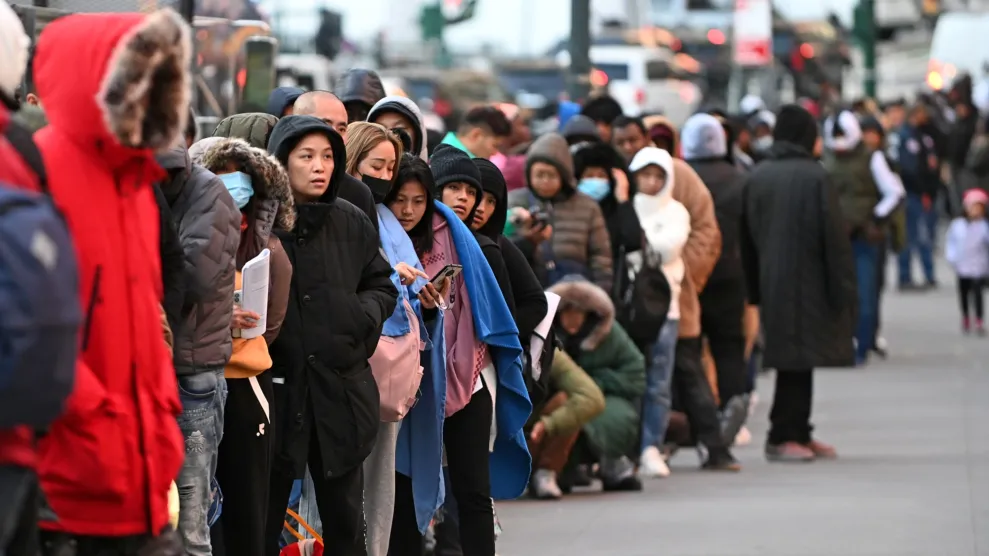
The Silent Migration: The Exodus from Megacities
While the 20th century was defined by the rush to the city, the 21st century is seeing a “silent migration” back to smaller towns and rural areas. This trend is fueled by the decoupling of work from physical location, thanks to digital transformation, and a growing desire for a simpler, less stressful life.
The Cost of Urban Density
The allure of the megacity—economic opportunity and cultural vibrancy—is increasingly being weighed against the burdens of high living costs, overcrowding, and social isolation. Residents are now actively seeking:
- Lower Cost of Living: Seeking affordable housing markets outside major metropolitan hubs.
- Work-Life Balance: Escaping the “rat race” of high-pressure urban environments.
- Community Connectivity: Finding smaller, more tightly-knit communities that offer higher social capital.
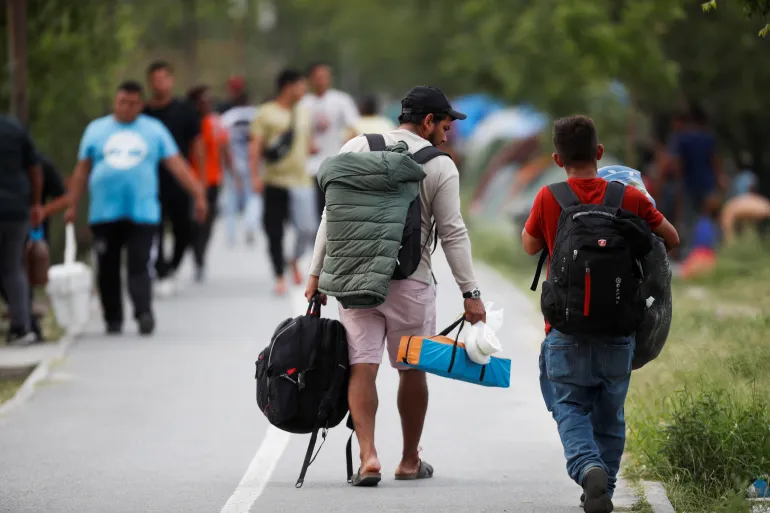
Challenges and Opportunities in Megacities
Despite the exodus, megacities remain the engines of the global economy. The challenge for the future lies in transforming these concrete jungles into sustainable, livable environments that can handle massive populations without sacrificing the quality of life.
Strategies for Sustainable Urbanization
To survive, megacities must adopt “smart city” technologies, improve public transit, and integrate green spaces into dense residential areas. The focus is shifting from pure expansion to optimization of existing urban density.
Frequently Asked Questions (FAQ)
- Q1: Why are single-person households increasing?
- The rise is attributed to a combination of economic stability, the breakdown of traditional family structures, and a cultural prioritization of personal autonomy over shared living arrangements.
- Q2: How does climate change force people to move?
- Climate change acts as a “threat multiplier.” Natural disasters, loss of arable land, and rising temperatures make traditional livelihoods unsustainable, forcing populations to seek safer environments.
- Q3: Is the trend of leaving cities permanent?
- It is a structural shift. As remote work becomes a standard employment model, the necessity to live in high-cost urban centers is diminishing, allowing for a more distributed population.
- Q4: What defines a ‘megacity’ in the modern era?
- A megacity is generally defined as a metropolitan area with a total population in excess of 10 million people, characterized by high density, complex infrastructure, and significant economic influence.