
The modern world operates at a breathtaking, relentless pace. We are more technologically connected than at any other point in human history, yet we find ourselves in the midst of a profound crisis of exhaustion, isolation, and mental fatigue. Protecting our mental health in this hyper-accelerated environment is no longer just about managing stress; it requires a systemic overhaul of how we approach our most fundamental human needs. By examining the intricate intersections of sleep quality, intentional rest, digital boundaries, and everyday social interactions, we can begin to rebuild a resilient foundation for long-term psychological well-being.
The Hidden Power of Sleep: A Foundational Pillar for Mental Health
Sleep is often the first casualty of a busy lifestyle, traded away for extra hours of work, digital entertainment, or socializing. However, the scientific consensus is clear: sleep is not a luxury, nor is it merely a state of passive inactivity. It is a highly active, complex biological process that serves as the bedrock of cognitive function, emotional regulation, and overall mental health. When we compromise on sleep, we are directly compromising the brain’s ability to heal and recalibrate.
The Biological Link Between Sleep and Emotional Regulation
During a full sleep cycle, the brain oscillates between non-REM (Rapid Eye Movement) and REM sleep. It is during the REM stage that the brain processes emotional experiences. The amygdala, the brain’s emotional response center, becomes highly active, working in tandem with the prefrontal cortex to contextualize and store memories. When sleep is cut short, this vital communication breaks down. A sleep-deprived brain exhibits a hyperactive amygdala—often reacting to negative stimuli up to 60% more intensely than a well-rested brain—while the prefrontal cortex, responsible for logical reasoning and impulse control, is significantly impaired.
- Neurotoxin Clearance: During deep sleep, the glymphatic system flushes out toxic byproducts, including beta-amyloid proteins, which accumulate during waking hours. This cleansing process is crucial for preventing cognitive decline and mood disorders.
- Hormonal Balance: Quality sleep regulates cortisol (the stress hormone). Chronic sleep deprivation keeps cortisol levels artificially high, plunging the body into a perpetual state of “fight or flight,” which exacerbates anxiety and depressive symptoms.
- Memory Consolidation: Sleep allows the brain to transition information from short-term to long-term memory, enabling better focus, learning, and mental clarity the following day.
How Sleep Deprivation Quietly Sabotages Your Mind
The insidious nature of sleep deprivation lies in its cumulative effect. A single night of poor sleep might result in irritability and brain fog, but chronic sleep debt structurally rewires your mental health. Individuals suffering from insomnia or consistently restricted sleep are at a exponentially higher risk of developing clinical depression and anxiety disorders. The lack of restorative rest creates a vicious cycle: anxiety makes it difficult to fall asleep, and the resulting sleep deprivation further amplifies the anxiety.

Rethinking Rest: The Quiet Art of Truly Recharging
While sleep is a biological necessity, “rest” is a multi-dimensional concept that modern society fundamentally misunderstands. We often equate resting with collapsing onto a couch and scrolling through social media, but this form of passive engagement rarely provides the rejuvenation our minds and bodies desperately need. True rest is an intentional, quiet art that requires us to identify precisely which of our internal reservoirs has been depleted.
The Difference Between Sleep and True Rest
You can sleep for eight hours and still wake up exhausted if you have not engaged in actual rest. Dr. Saundra Dalton-Smith’s framework identifies several distinct types of rest that go beyond physical cessation of movement. In a fast-paced world, sensory and mental rest are often the most neglected. The constant barrage of notifications, bright screens, and background noise leads to sensory overload. To combat this, intentional sensory rest—such as sitting in a quiet room, closing your eyes for five minutes, or unplugging from all devices—is required to down-regulate the nervous system.
Active vs. Passive Rest in a Hyper-Connected Era
Passive rest, like binge-watching television, often acts as a numbing agent rather than a restorative practice. Active rest, on the other hand, involves engaging in activities that replenish your specific energy deficits. Understanding the distinction is vital for protecting mental health.
| Type of Rest | Signs of Deficit | Actionable Restorative Practice |
|---|---|---|
| Mental Rest | Racing thoughts, inability to concentrate, brain fog. | Taking short breaks every 90 minutes, keeping a “brain dump” notepad, practicing mindfulness. |
| Sensory Rest | Agitation from loud noises, eye strain, irritability. | Turning off notifications, implementing screen-free evenings, spending time in nature. |
| Emotional Rest | Feeling unappreciated, people-pleasing, emotional exhaustion. | Setting firm boundaries, talking to a trusted friend or therapist, practicing self-compassion. |
| Creative Rest | Lack of inspiration, difficulty solving problems, feeling stuck. | Enjoying art, listening to music without multi-tasking, taking a walk without a specific destination. |
The Loneliness We Don’t Talk About: Digital Connection vs. Real Intimacy
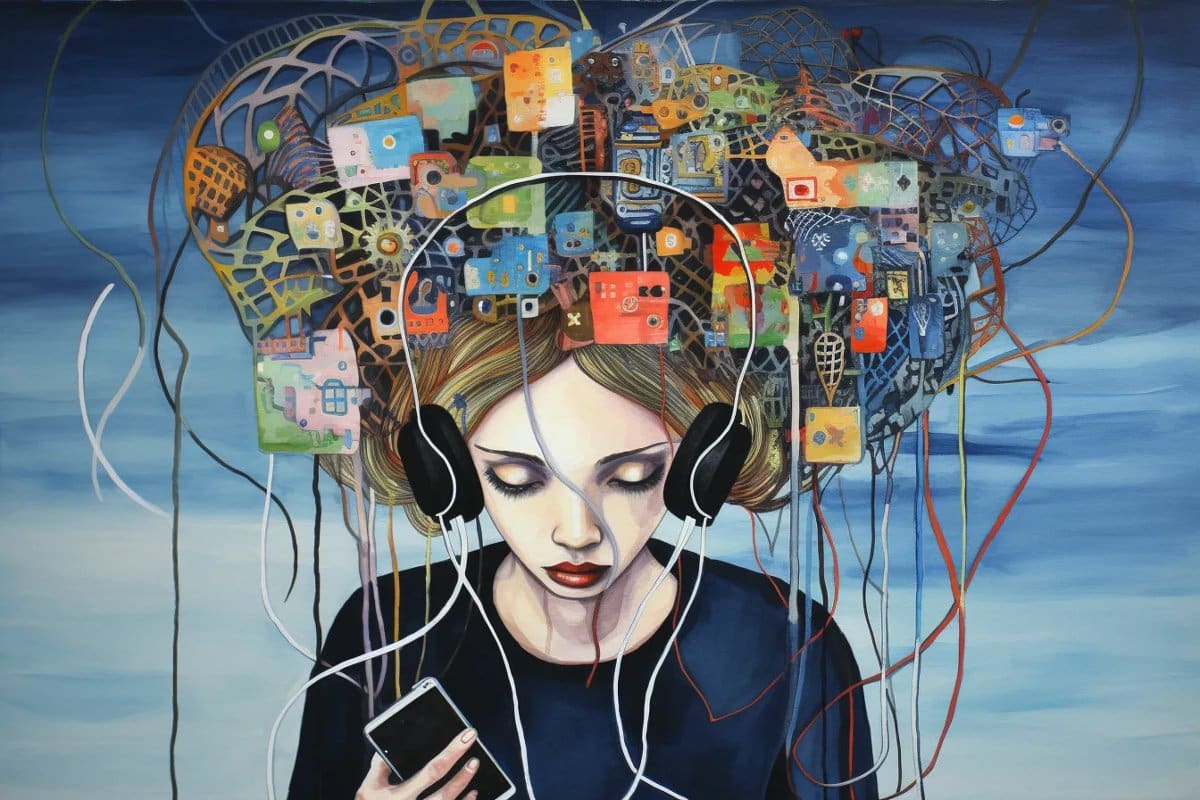
We are living in an era of paradox: we have unprecedented access to communication tools, yet self-reported rates of loneliness have reached epidemic proportions. Digital connection is quietly rewiring our mental health, creating an illusion of intimacy that leaves our deep-seated need for human belonging entirely unfulfilled. The transition from physical communities to digital networks has fundamentally altered how we relate to one another.
How Screen Time is Rewiring Our Social Brains
Social media platforms are engineered to trigger dopamine loops, mimicking the neurological rewards of social interaction without providing the substantive emotional nourishment of real-world connection. When we communicate through screens, we lose the vital non-verbal cues—micro-expressions, tone of voice, body language, and physical touch—that our brains evolved to rely on for building trust and empathy. This “flattening” of communication leads to a shallow form of socialization. We accumulate hundreds of online acquaintances but lack individuals we can call during a personal crisis.
The Paradox of Being Hyper-Connected Yet Profoundly Isolated
The curated nature of digital connection actively contributes to modern loneliness. As we consume highlight reels of other people’s lives, the contrast with our own unfiltered reality breeds feelings of inadequacy and isolation. This digital comparison trap is a significant driver of anxiety and depression, particularly among younger generations. To protect our mental health, we must recognize that a “like” or a “comment” is a poor substitute for a shared laugh or a meaningful, face-to-face conversation. Reclaiming our mental well-being requires intentionally unplugging and seeking out unmediated human experiences.

The Disappearing Small Talk and the Art of Everyday Conversation
As we retreat further into our digital silos, a subtle but profound loss has occurred in our daily lives: the disappearance of small talk. The casual interactions we once had with baristas, neighbors, and strangers on the train have been replaced by the universal “do not disturb” signals of AirPods and smartphone screens. While small talk is often dismissed as trivial or awkward, sociologists and psychologists recognize it as a crucial component of a healthy, cohesive society and individual mental well-being.
Why Casual Interactions Matter for Mental Well-being
In sociology, these casual acquaintances are referred to as “weak ties.” Research demonstrates that individuals with a robust network of weak ties report higher levels of happiness and a greater sense of belonging to their community. These micro-interactions—a smile exchanged in a grocery line, a brief chat about the weather—send subconscious signals to our brains that we are safe, seen, and part of a larger social fabric. When we eliminate these serendipitous encounters in favor of hyper-efficiency (e.g., self-checkout lanes, food delivery apps), we inadvertently starve our social brains.
- Fostering Empathy: Engaging with strangers forces us out of our echo chambers, reminding us of the shared human experience and broadening our perspectives.
- Boosting Mood: Brief, positive social interactions trigger the release of oxytocin and endorphins, providing immediate, natural mood lifts that combat feelings of isolation.
- Grounding in the Present: Small talk requires spontaneous, real-time engagement, pulling us out of our internal anxieties and anchoring us in the present moment.
Practical Steps to Rebuild Real-World Connections
Reviving the art of everyday conversation requires intentional effort in a society optimized for isolation. It begins with small, deliberate choices: removing headphones while walking through a neighborhood, choosing the human cashier over the automated kiosk, or simply making eye contact and offering a genuine greeting to service workers. By lowering our digital shields, we open ourselves up to the spontaneous connections that act as a natural buffer against loneliness and depression.

Actionable Strategies for Protecting Your Mental Health in a Fast-Paced World
Understanding the importance of sleep, rest, and connection is only the first step. To truly protect your mental health in a fast-paced world, you must implement rigid boundaries and proactive strategies. It is not enough to simply hope for more rest or better social interactions; you must architect your environment and daily routines to guarantee them.
Establishing Boundaries in a Fast-Paced Environment
The erosion of boundaries between work, leisure, and sleep is a primary driver of modern burnout. The expectation of constant availability means the nervous system never gets the signal to power down. Establishing boundaries is an act of self-preservation. This means setting strict “offline” hours where work emails are inaccessible, creating a sanctuary in the bedroom where screens are strictly prohibited, and learning to say “no” to obligations that drain your energy without providing value.
Crafting a Sustainable Routine for Rest and Socialization
A resilient mental health strategy requires treating sleep, rest, and connection with the same urgency as professional meetings or doctor’s appointments. Schedule your downtime. Prioritize sleep hygiene by maintaining a cool, dark room and a consistent bedtime. Dedicate specific blocks of time to engage in active rest, whether that is a creative hobby or a walk in nature. Finally, commit to regular, in-person social engagements. Join a local club, host a screen-free dinner, or simply commit to calling (not texting) one friend a week. By systematically integrating these pillars into your life, you build an impenetrable fortress around your mental well-being.
Frequently Asked Questions (FAQ)
- How many hours of sleep are actually necessary for optimal mental health?
- While individual needs vary slightly, the overwhelming scientific consensus is that adults require between 7 to 9 hours of quality sleep per night. Consistently dropping below 7 hours impairs cognitive function, emotional regulation, and increases the long-term risk of anxiety and depressive disorders.
- What is the 3-2-1 rule for better sleep hygiene?
- The 3-2-1 rule is a highly effective wind-down strategy to protect your sleep quality. It suggests stopping heavy meals and alcohol 3 hours before bed, stopping work-related tasks 2 hours before bed, and ceasing all screen time (phones, TVs, tablets) 1 hour before bed to allow melatonin levels to rise naturally.
- How can I practice sensory rest if I work on a computer all day?
- If your job requires constant screen time, practice the 20-20-20 rule: every 20 minutes, look at something 20 feet away for 20 seconds to rest your eyes. Additionally, take 5-minute micro-breaks where you close your eyes, focus on deep breathing, and eliminate all background noise to give your nervous system a brief reprieve.
- Why does social media make me feel more lonely?
- Social media often facilitates “social comparison” rather than genuine connection. You are viewing curated, idealized versions of other people’s lives, which can trigger feelings of inadequacy. Furthermore, digital interactions lack the physiological benefits of face-to-face contact, such as the release of oxytocin, leaving your brain’s biological need for connection unmet.
- How do I start making small talk if I have social anxiety?
- Start small and focus on low-stakes environments. You do not need to have a profound conversation. A simple “Good morning” to a neighbor, or a compliment about a coworker’s coffee mug, is enough. The goal is to practice the muscle of interaction. Focusing your attention outward—on the environment or the other person—can help reduce internal feelings of anxiety.