The Enduring Legacy of Shipwrecks: Windows into Human History
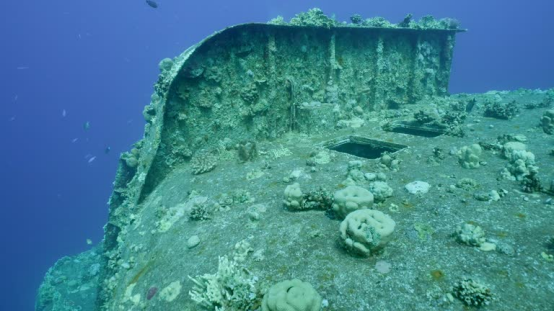
Shipwrecks are more than just sunken vessels; they are submerged time capsules, preserving invaluable fragments of human history, culture, and technological evolution beneath the waves. Each wreck tells a unique story, offering direct evidence of ancient trade routes, naval conflicts, daily life at sea, and the economic engines that drove civilizations. From humble fishing boats to grand warships and opulent merchant vessels laden with treasure, these underwater sites provide archaeologists with unparalleled insights that often complement or even contradict written historical records. The discipline of maritime archaeology is dedicated to the systematic study of human interaction with the sea, lakes, and rivers through the investigation of physical remains, with shipwrecks forming a significant portion of this fascinating field.
Defining Shipwrecks and Their Historical Significance
A shipwreck is broadly defined as the remains of a ship that has foundered, run aground, or been otherwise destroyed at sea or in fresh water. Their significance stems from their ability to freeze a moment in time, encapsulating cargo, personal belongings, and structural elements exactly as they were when the vessel met its demise. This snapshot provides archaeologists with a holistic view of a specific period, allowing for detailed analysis of shipbuilding techniques, navigation practices, cargo compositions, and even the socio-economic status of those aboard. Understanding these elements is crucial for reconstructing past societies and their maritime activities.
- Economic Indicators: The type and provenance of cargo found in merchant shipwrecks, such as Roman amphorae or Ming Dynasty porcelain, directly illustrate ancient and medieval trade networks, commodity values, and economic power centers.
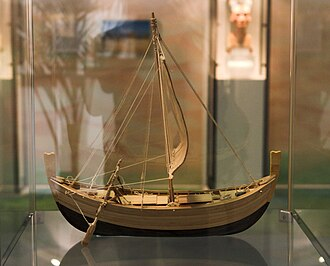
- Technological Advancements: The construction methods and materials used in sunken vessels reveal the evolution of naval architecture and engineering, from early sewn-plank boats to sophisticated galleons and ironclads.
- Cultural Insights: Personal effects, tools, and even food remnants offer glimpses into the daily lives, beliefs, and cultural practices of historical seafarers and passengers.

Advanced Techniques in Shipwreck Discovery and Analysis
The quest to locate and understand shipwrecks has evolved dramatically over centuries, transitioning from accidental discoveries by divers and fishermen to highly sophisticated scientific endeavors. Modern maritime archaeology employs a suite of advanced technologies and analytical methods to pinpoint submerged sites, extract information without disturbance, and interpret the intricate data gathered. These techniques are essential for overcoming the challenges of deep-sea environments, poor visibility, and the delicate nature of archaeological artifacts.
Locating Submerged Vessels: From Sonar to ROVs
The initial phase of shipwreck archaeology often involves locating potential sites. This process relies heavily on cutting-edge geophysical survey techniques that can map the seafloor and detect anomalies indicative of human activity. Once a target is identified, remotely operated vehicles (ROVs) and autonomous underwater vehicles (AUVs) are deployed for visual inspection and detailed mapping, minimizing the need for dangerous human dives.
- Side-Scan Sonar: This technology emits sound waves sideways across the seafloor, creating detailed acoustic images that reveal objects protruding from or buried beneath the sediment. It’s crucial for covering large areas efficiently.
- Magnetometers: These instruments detect variations in the Earth’s magnetic field caused by ferrous materials (like iron nails, anchors, or cannons) commonly found in shipwrecks, helping to pinpoint metallic components even when buried.
- Sub-Bottom Profilers: By sending acoustic pulses into the seabed, these devices can penetrate sediments and reveal buried structures or stratigraphy, indicating the presence of a wreck beneath the surface.
- Remotely Operated Vehicles (ROVs): Equipped with high-definition cameras, manipulators, and sensors, ROVs allow archaeologists to visually inspect sites, collect samples, and perform delicate tasks in deep or hazardous environments without direct human presence.
Unlocking Secrets: Ballast Stones and Rust Crystals
Beyond the structural remains of a ship and its cargo, seemingly mundane elements like ballast stones and even corrosion products offer profound insights. These materials, often overlooked in earlier archaeological practices, are now recognized as critical data points for reconstructing ancient trade routes and understanding ship functionality.
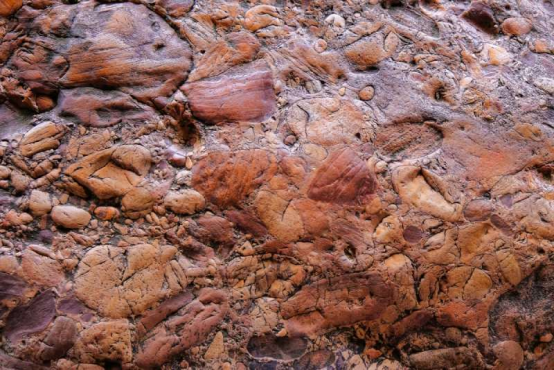
Ballast stones, typically rocks or pebbles placed in the hull to improve a ship’s stability, can be analyzed for their geological provenance. By identifying the origin of these stones, researchers can trace the ship’s journey, revealing ports of call and demonstrating the extent of ancient shipping networks. For instance, the analysis of conglomerate ballast stones from Roman merchant ships in the Mediterranean has provided concrete evidence of specific trade routes and material exchange between distinct regions, offering a “geological fingerprint” of ancient maritime commerce. This scientific approach moves beyond assumptions based on cargo alone, providing direct evidence of a ship’s travel history.
Similarly, deep-sea rust crystals, formed from the corrosion of iron components like nails, fittings, or cannons, act as microscopic time capsules. The chemical composition and crystalline structure of these rust formations can reveal environmental conditions, the presence of specific elements from the ship’s construction, and even map ocean trade routes. As iron corrodes in a marine environment, it interacts with surrounding water and sediments, creating layers of rust that can be analyzed to infer details about the wreck’s age, the water chemistry, and even the presence of organic materials that have long since decayed. This intricate analysis provides a hidden map within the corroded layers, detailing the interaction of the vessel with its environment over centuries.

Iconic Shipwreck Discoveries: A Global Tapestry of History
The world’s oceans, lakes, and rivers hold countless shipwrecks, each awaiting discovery or already yielding their secrets to dedicated archaeologists. These finds span millennia and continents, offering a rich, diverse narrative of human endeavor, exploration, and sometimes, tragedy. From ancient vessels that plied the Mediterranean to colonial-era treasure ships and modern wartime casualties, these discoveries paint a vivid picture of our shared maritime heritage.
Ancient Wonders and Early Trade Routes
The oldest ships ever discovered push the boundaries of known seafaring history, demonstrating sophisticated shipbuilding and extensive trade far earlier than previously imagined. The discovery of the oldest ship in the deep sea, often identified as the “Black Sea Shipwreck” dating back to 400 BC, has provided unprecedented insights into ancient Greek shipbuilding and seafaring techniques. These early vessels, often remarkably preserved in anoxic waters, offer a direct link to the dawn of organized maritime commerce.
The Mediterranean, a cradle of civilization, is particularly rich in ancient wrecks. The discovery of three Roman shipwrecks off the Tunisian coast, one dating back 2000 years, highlights the extensive Roman trade network across the Mare Nostrum. These sites reveal the types of goods transported, the scale of Roman maritime enterprise, and the dangers faced by ancient mariners. Similarly, the discovery of a merchant shipwreck in Saint-Tropez further underscores the vibrant commercial activity in the Roman and early medieval periods, showcasing the regional variations in vessel design and cargo.
Medieval and Colonial Eras: Treasure and Grandeur
The medieval period saw significant advancements in shipbuilding and expanded trade. The large medieval vessel Ciutadella I discovered underground in Barcelona, Spain, provides a rare glimpse into urban port life and shipbuilding practices of the 13th century. Its preservation underground, away from the destructive forces of the sea, offers unique data on hull construction and daily operations.
The Age of Exploration brought larger, more capable ships, and with them, the potential for immense wealth and dramatic losses. The legendary sunken ship San José near Colombia, a Spanish galleon laden with gold, silver, and emeralds, represents one of the most significant treasure shipwrecks ever discovered. Its recovery is fraught with legal and ethical complexities, yet its historical value for understanding Spanish colonial wealth and naval power is immeasurable. Another significant find is the long-lost treasure-laden Koning Willem de Tweede shipwreck, discovered by marine archaeologists, which offers insights into Dutch colonial trade and the sheer volume of goods transported across vast oceans.
Modern Conflicts and Forgotten Stories
Shipwrecks are not solely relics of distant antiquity; many modern wrecks carry profound historical significance. The wreck of Britain’s Royal Party Ship, for instance, offers a poignant reminder of specific historical events and the social fabric of its time. These more recent wrecks often carry detailed historical records, allowing for more precise reconstruction of events and a deeper understanding of the human stories involved.
The shipwrecks that tell the story of Alaska’s forgotten WWII battlefield shed light on lesser-known theaters of war, preserving evidence of intense conflict and the sacrifices made. These sites are not just archaeological resources but also war graves, demanding respectful and careful investigation. The study of these wrecks contributes to a fuller understanding of global conflicts and their lasting impact on coastal communities and maritime strategies.

Preserving the Past: Challenges and Ethical Considerations in Maritime Archaeology
The discovery and study of shipwrecks present a unique set of challenges and ethical dilemmas that maritime archaeologists must navigate. Unlike terrestrial sites, underwater environments pose significant logistical, financial, and environmental hurdles. Furthermore, the allure of treasure can often conflict with the scientific imperative of preservation and historical understanding, leading to complex legal and ethical debates.
Environmental and Logistical Hurdles
Operating underwater demands specialized equipment, highly trained personnel, and substantial financial investment. The deep-sea environment, characterized by extreme pressure, cold temperatures, and darkness, limits human activity and increases the reliance on robotic technologies. Even in shallower waters, currents, visibility, and weather conditions can severely impact fieldwork. The recovery and conservation of artifacts once brought to the surface also represent a monumental task, as materials like wood, metal, and organic remains require immediate and often long-term preservation treatments to prevent rapid deterioration in an atmospheric environment.
- Conservation Science: Recovered artifacts, especially those from saltwater environments, are highly unstable. Wood can shrink and crack, metals can rapidly corrode, and textiles disintegrate. Specialized conservation laboratories are essential for stabilizing these delicate materials, a process that can take years and cost millions.
- Site Protection: Once discovered, shipwreck sites are vulnerable to looting and damage from human activity or natural forces. Protecting these sites requires legal frameworks, monitoring, and sometimes physical barriers to ensure their integrity for future research.
The Ethical Debate: Treasure vs. Heritage
The discovery of treasure-laden shipwrecks, such as the San José, frequently ignites a contentious debate between those who view them as economic assets and those who prioritize their cultural and historical heritage. This conflict often pits salvors and sovereign nations against archaeological bodies and international conventions.
The concept of “the quest for the shipwreck holy grail” often refers to these high-value, historically significant wrecks. However, the commercial salvage of such sites can lead to the destruction of archaeological context, scattering artifacts and losing invaluable scientific data in the pursuit of profit. International conventions, like the UNESCO 2001 Convention on the Protection of the Underwater Cultural Heritage, aim to promote in situ preservation and discourage commercial exploitation, emphasizing the shared heritage of humanity.
The discovery of the two Ming Dynasty shipwrecks and 100,000 ancient relics undergoing scientific research highlights the responsible approach. Instead of immediate commercial exploitation, these sites are meticulously excavated and studied, ensuring that the vast historical data they contain is properly documented and understood before any consideration of display or long-term storage. This approach prioritizes knowledge over immediate financial gain, demonstrating a commitment to archaeological best practices.
Frequently Asked Questions (FAQ)
- Q1: What is maritime archaeology?
- Maritime archaeology is a specialized branch of archaeology that investigates human interaction with the sea, lakes, and rivers through the study of material remains. This includes shipwrecks, submerged settlements, port structures, and coastal environments, providing insights into seafaring, trade, naval warfare, and ancient cultures.
- Q2: How are shipwrecks typically found?
- Shipwrecks are found through various methods, including historical research of archival records, interviews with local fishermen, and advanced technological surveys. Modern techniques involve side-scan sonar, magnetometers, and sub-bottom profilers to map the seafloor and detect anomalies. Once a potential site is identified, ROVs (Remotely Operated Vehicles) or human divers conduct visual inspections.
- Q3: What makes a shipwreck historically significant?
- A shipwreck’s historical significance is determined by several factors: its age, the rarity of its type, the preservation of its cargo and structure, its association with known historical events or figures, and its potential to reveal new information about past societies, technologies, or trade routes. Even seemingly ordinary vessels can offer profound insights into daily life and commerce.
- Q4: Why is it important to preserve shipwrecks in situ (on-site)?
- Preserving shipwrecks in situ is crucial because the underwater environment acts as a natural preservative, slowing decay. Removing artifacts or disturbing the site without proper archaeological methodology can destroy vital contextual information, making it impossible to reconstruct the full story of the wreck. Furthermore, conservation of recovered artifacts is extremely costly and complex, often requiring specialized facilities for decades.
- Q5: Are all shipwrecks considered “treasure”?
- No, not all shipwrecks are considered “treasure” in the commercial sense. While some famous wrecks like the San José carried immense wealth, the vast majority of shipwrecks are historically significant for their archaeological data, not their monetary value. The term “treasure” often implies a commercial salvage interest, which can conflict with archaeological ethics and the preservation of cultural heritage.
Written By