When the Greek coalition forces captured Troy with a “30-foot-tall” wooden horse, the poet Homer might not have imagined that 3,200 years later, archaeologists would unearth an even more shocking truth at the site of Hisarlik in Turkey – a batch of Hittite clay tablets inscribed with cuneiform characters showed that the Trojan War was most likely not a glorious epic of the Greeks, but a proxy war between two superpowers in the Bronze Age.
In the fall of 2023, a team from the Oriental Institute of the University of Chicago discovered 37 clay tablets containing diplomatic documents in the ancient Hittite city of Sapinuwa, about 50 miles southeast of the Troy site. After eight months of restoration and deciphering, these documents written in both Akkadian and Hittite revealed that Troy was once a vassal state of the Hittite Empire, and that the so-called “Greek coalition” attack was actually a geopolitical game between the Mycenaeans and the Hittites in western Anatolia.
The geopolitical code in the clay tablets
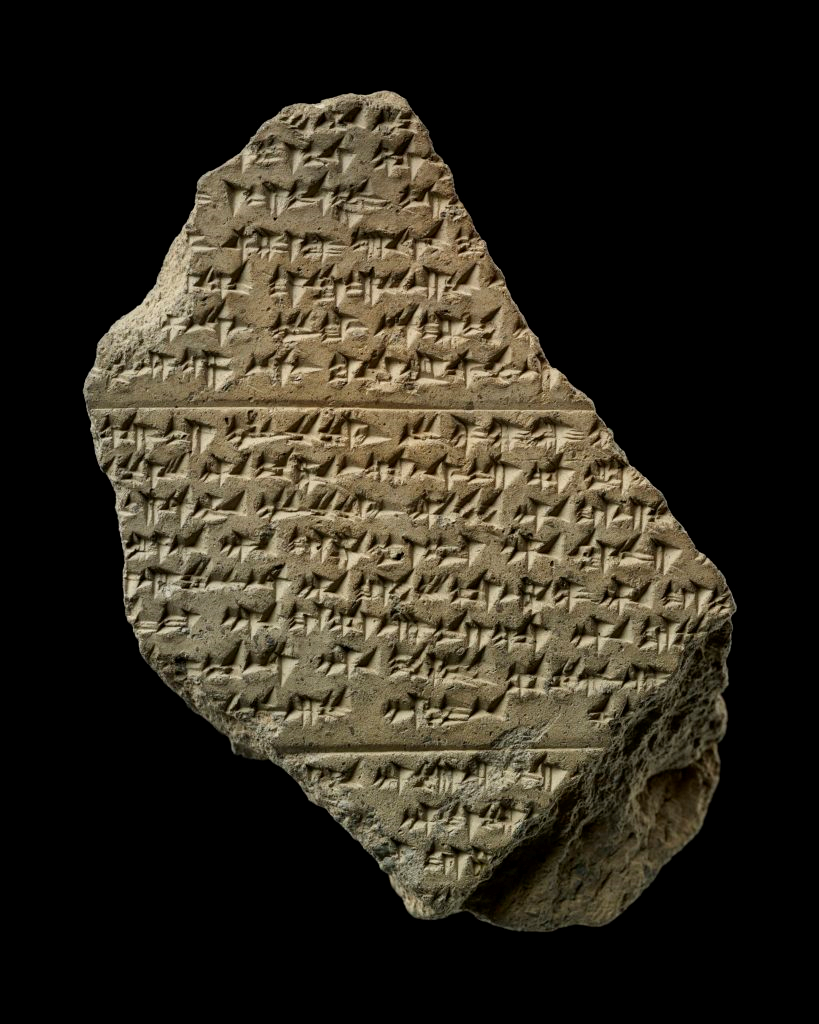
The most crucial evidence comes from the clay tablet numbered SAP-2023-17, which contains the equivalent of a “diplomatic note” from the 13th century BC:
“To the King of Mycenae: Your army’s attack on my Velusa has violated the treaty… If you do not stop the war, you will face joint sanctions from the Hittites, Assyria and Egypt.” This text directly confirms Troy’s status as a vassal state, and also implies that a complex international legal system already existed in the eastern Mediterranean at that time. Other clay tablets also record:
List of tributes from Troy to the Hittites: 200 sheep, 50 tons of copper ingots and 12 royal hostages
Request for military assistance: The King of Troy asked the Hittites for help against the “Ahiawa from the sea”
Marriage record: A Hittite princess married into the Trojan royal family, and her dowry included 500 gallons of olive oil and 3 pounds of gold .
Triple truth that subverts cognition
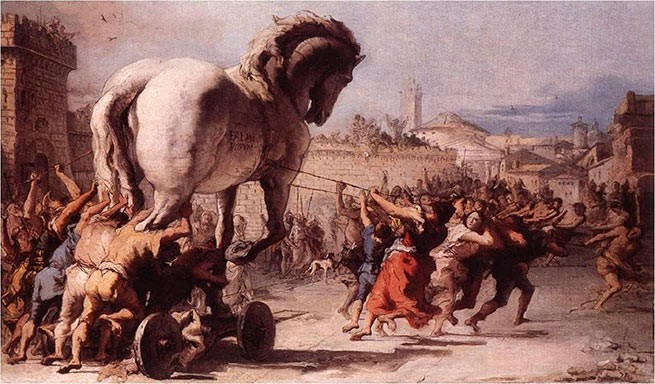
1. The Trojan Horse legend may be a political metaphor
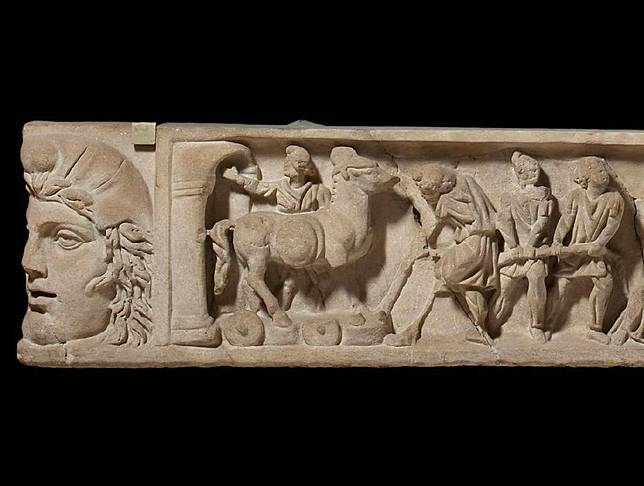
The clay tablets repeatedly record the use of “horses” as diplomatic gifts. Scholars speculate that the “Trojan Horse” may have originated from a treaty fraud involving the use of horses for transportation.
2. The scale of the war was far smaller than described in the epic
According to estimates based on military supply data recorded on clay tablets, the Trojan garrison did not exceed 2,000 men, and the “Greek coalition” probably had only 30 ships – a far cry from the 1,000 warships described by Homer.
3. Troy was a multilingual trade center
Documents in 14 languages unearthed show that the city was actually a trade hub connecting the Aegean Sea and Anatolia, where Hittite, Luwian and Mycenaean Greek coexisted.
Rewriting history textbooks
With carbon 14 dating confirming that these clay tablets were made between 1260 and 1180 BC, the historical community is setting off a wave of reconstruction of the history of the Bronze Age:
Geopolitical map: The Hittite Empire controlled several “Trojan-like” city-states in western Asia Minor
Motives for war: Fighting for the right to trade metals in the Dardanelles is more credible than “Helen the Fair”
Civilization Exchange: The Interaction between Greeks and Hittites was Closer than Imagined
When the clay tablets from 3,200 years ago began to speak, we discovered that the Trojan Horse may never have existed, but the imperial game behind it was more thrilling than the myth. The next time you read “The Greeks used the wooden horse to capture Troy”, please remember that the historical truth may be sleeping in a clay tablet that has not yet been unearthed.