The Architectural and Administrative Marvels of Andean Empires
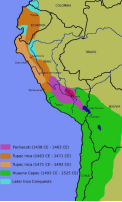
The Inca Empire represents one of the most sophisticated examples of high-altitude statecraft in human history. By mastering the rugged geography of the Andes, they created a centralized authority that managed millions of subjects without a written language, relying instead on quipus (knotted strings) and an extensive road network.
Engineering the Impossible
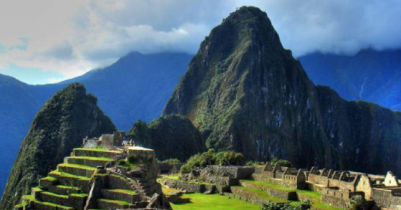
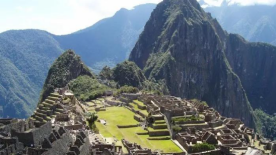
Incan engineers mastered stone masonry, creating structures like Machu Picchu that have withstood centuries of seismic activity. Their agricultural prowess, defined by terrace farming, allowed the empire to flourish in environments previously deemed inhospitable.
- Road Systems: The Qhapaq Ñan connected the empire, facilitating rapid communication and military deployment.
- Resource Management: The state utilized a labor tax system known as mit’a to fund massive public works.
Mesoamerican Power: The Aztec and Their Neighbors
The Aztec Empire, centered in the Valley of Mexico, transformed from a nomadic tribe into a dominant hegemony. Their capital, Tenochtitlan, was a marvel of urban planning, built on an island in Lake Texcoco, featuring advanced chinampa agriculture and complex social hierarchies.
The Mechanism of Tribute
Unlike empires that sought direct assimilation, the Aztecs relied on a tributary system. Conquered city-states maintained their local rulers but were required to provide goods, labor, and sacrificial victims to the Triple Alliance.
| Feature | Inca Empire | Aztec Empire |
|---|---|---|
| Primary Geography | Andean Mountains | Valley of Mexico |
| Core Economy | State-led Labor (Mit’a) | Tribute & Trade |
| Communication | Quipu | Pictographic Codices |
The Trans-Continental Giants: Persian and Ottoman Legacies
The Persian Empire and the later Ottoman Empire provide a blueprint for how to govern vast, culturally diverse populations. Both empires leveraged the strategic intersection of Europe, Asia, and Africa to control global trade routes.
Persian Satrapies and Ottoman Governance
The Persian Achaemenid Empire introduced the Satrap system, dividing the territory into administrative provinces to ensure localized oversight while maintaining central loyalty. Centuries later, the Ottoman Empire utilized the Millet system, allowing religious minorities autonomy in civil matters, a key factor in their longevity.
African Economic Powerhouses: Aksum and Mali
Often overlooked in Western-centric narratives, the empires of Aksum and Mali were central nodes in global commerce. Aksum facilitated trade between the Roman Empire and India, while Mali, under leaders like Mansa Musa, controlled the lucrative trans-Saharan gold trade.
The Golden Age of Mali
Mali’s wealth was legendary. By controlling the salt and gold mines of West Africa, they established Timbuktu as a global intellectual center, housing some of the world’s most significant libraries of the medieval era.
Frequently Asked Questions (FAQ)
- Q1: What led to the rapid collapse of the Inca and Aztec Empires?
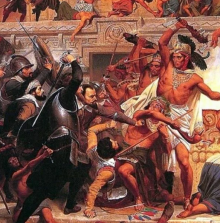
- The collapse was primarily driven by the introduction of Old World diseases, internal political fracturing, and the superior military technology (steel and gunpowder) utilized by the Spanish conquistadors.
- Q2: How did the Ottoman Empire maintain stability for over 600 years?
- The Ottomans maintained stability through a combination of administrative flexibility (the Millet system), a highly professionalized standing army (the Janissaries), and a strategic control of the Silk Road.
- Q3: Why was the Aksumite Empire significant in early trade?
- Aksum acted as a vital maritime bridge between the Mediterranean and the Indian Ocean, minting its own currency and becoming one of the first major empires to adopt Christianity as a state religion.
- Q4: What was the primary source of wealth for the Mali Empire?
- Mali derived its immense power from the control of gold and salt deposits. This wealth allowed the empire to sponsor vast educational initiatives and establish Timbuktu as a center for Islamic scholarship.