Mummies, a mysterious artifact from the deserts of ancient Egypt, always amaze modern people: how can bodies thousands of years old be preserved to this day, virtually uncorrupted? They are not only symbols of ancient religion and culture, but also early attempts by humans to explore embalming and preservation techniques.
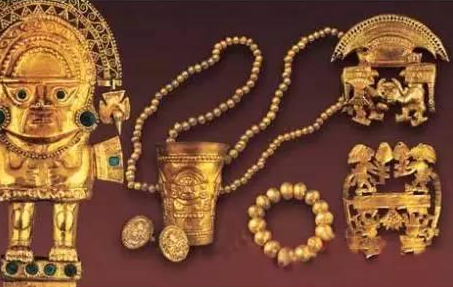
Whether it’s the golden masks of Egyptian pharaohs or the dried mummies of the Andes, they all carry the wisdom and technology of different civilizations. So, how did mummies survive for thousands of years without decay?
The Origin and Cultural Significance of Mummies
1. Ancient Egyptian Mummies
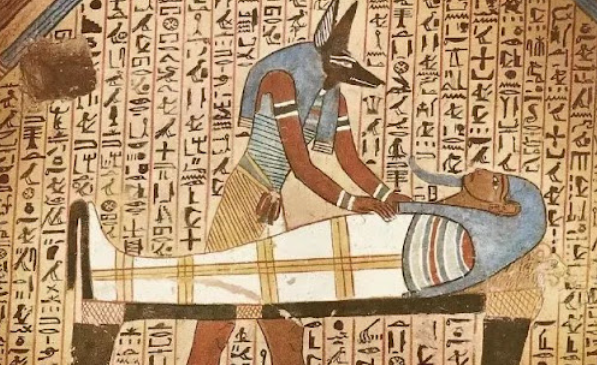
The ancient Egyptians believed that death was not the end of life, but a journey into eternity. To ensure the deceased’s continued existence in the afterlife, the preservation of the body became central to their religion and culture. This led to the practice of mummification, which aimed to prevent decay through physical and chemical means while preserving the body’s appearance and organs.
2. Mummies from other civilizations around the world
Mummification wasn’t limited to Egypt. The Inca culture of the Andes and indigenous tribes of Chile and Peru also developed unique preservation methods. Dry, high altitude, and cold conditions helped preserve the bodies, while indigenous tribes used plants, smoke, and salts for natural embalming.
3. Religious and social factors
Mummification was not just a technical matter; it was also a social ritual. Pharaohs, nobles, and other prominent figures often underwent elaborate embalming procedures, while ordinary people underwent simpler preservation methods. Religious beliefs, social status, and environmental conditions all shaped the methods and outcomes of mummification.
Secrets of Ancient Mummy Embalming Technology
1. Drying and salting
The earliest Egyptian mummification methods relied on natural drying. The hot, dry desert environment of the Nile Valley favored dehydration, slowing decay. Furthermore, the use of natural mineral salts (such as saltpeter) to drain moisture from the body was a core step in ancient Egyptian mummification.
2. Visceral Processing
Ancient Egyptian mummies were typically eviscerated and preserved in canopic jars. This not only reduced the risk of internal decay but also served religious purposes. The heart, liver, lungs, and stomach were dehydrated and spiced before being placed in specialized containers for use in the afterlife.
3. Apply resin and spices
The application of resins, rosins, and spices is crucial to the embalming process. These natural substances, with their antibacterial and moisture-proof properties, coat the body’s surface, preventing the growth of microorganisms. Furthermore, the fragrance and religious symbolism of the spices contribute to the spiritual “purification” of the corpse.
4. Shroud Wrap
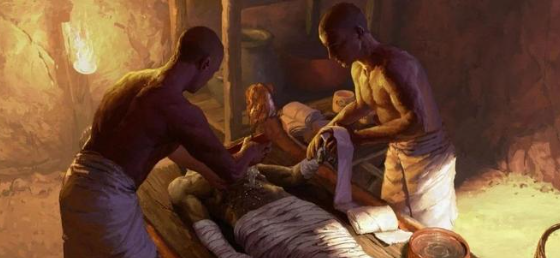
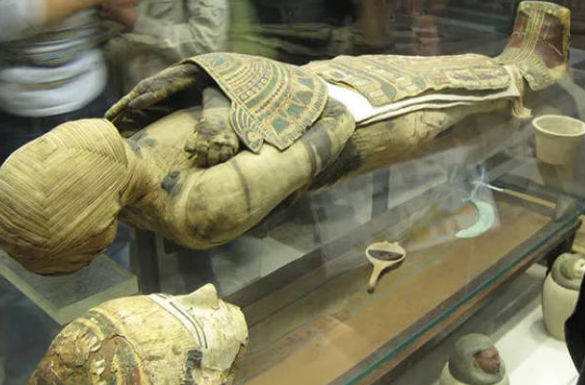
After drying and coating with resin, the body was wrapped in multiple layers of linen. This wrapping not only stabilized the body’s form but also provided a layer of physical protection, making it less susceptible to environmental damage. Pharaoh mummies were even covered in gold leaf and ornaments to further protect them from mechanical damage.
Contribution of the natural environment to preservation
1. Dryness and high temperature
The extreme dryness and high temperatures of the desert can quickly drain moisture from the body, preventing the growth of putrefactive microorganisms. Many mummies found in the Nile Valley are so well preserved thanks to the local environment.
2. Cold and low oxygen
The Andes Mountains and the high altitudes of northern Chile experience extremely low temperatures and thin air, which inhibits microbial activity. These naturally formed “mummies” are considered natural mummies, unlike the artificially processed Egyptian mummies, but they can also retain their appearance and tissue structure for hundreds or even thousands of years.
3. Soil and Minerals
The soil in certain areas is rich in minerals, such as saltpeter and alkaline minerals, which absorb moisture around the body and inhibit the decomposition process. The combination of natural drying and mineral action allows the long-term preservation of mummies even when buried in the earth.
Modern Scientific Research on Mummies
1. DNA and tissue analysis
Modern science uses DNA sequencing technology to extract genetic information from mummy tissue, revealing ancient diseases, dietary habits, and ethnic migrations. This research not only helps us understand history but also provides references for modern medicine.
2. Component Analysis
Through chemical analysis, scientists have discovered that the resins, spices, and salts used in ancient Egyptian mummies possessed remarkable preservative properties. This combination of natural materials represents an early experiment in chemical preservation, with significant scientific value.
3. Anti-corrosion technology enlightenment
Mummification methods have inspired modern embalming and long-term preservation. Learning from ancient embalming practices can help preserve organ specimens, cultural heritage, and even documentary materials in museums and scientific experiments.
The Cultural Value and Modern Implications of Mummy Preservation
History bears witness to the fact
that mummies are more than just corpses; they represent the essence of ancient civilizations. From embalming techniques to religious beliefs, from social hierarchy to daily life, mummies contain a wealth of cultural information.
A treasure trove of scientific research
By studying mummies, scientists can understand ancient people’s diseases, living habits, and environmental adaptability. This information is extremely valuable for history, medicine, and archaeology.
Cultural Heritage and Preservation
Mummies reveal ancient perspectives on life, death, and eternity. Modern society should learn from ancient wisdom and integrate science and culture to preserve cultural heritage, ensuring a multi-millennium-long knowledge transmission.
Summarize
Mummies have been preserved for millennia thanks to ancient technology, religious beliefs, social conditions, and the natural environment . Drying, salting, resin coating, and binding—each step reveals the ancients’ profound understanding of life and death. Modern science, inspired by this, not only explores history, disease, and culture, but also allows us to rethink our relationship with the environment, technology, and faith.
Whether it is the golden mask of the Egyptian pharaoh or the dried corpse of the Andes plateau, mummies remind us in a unique way that preserving knowledge and civilization is sometimes more important than preserving life itself.